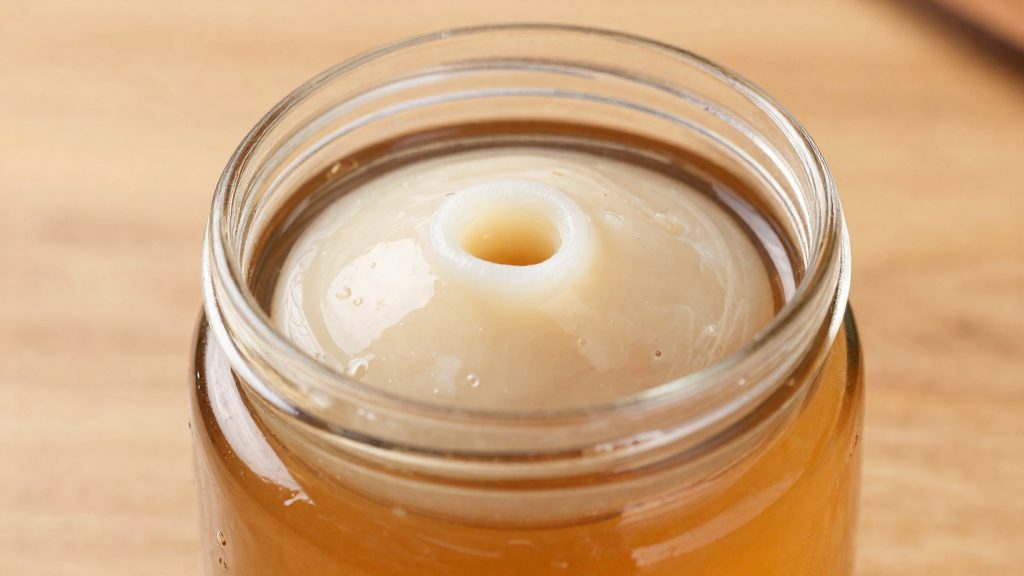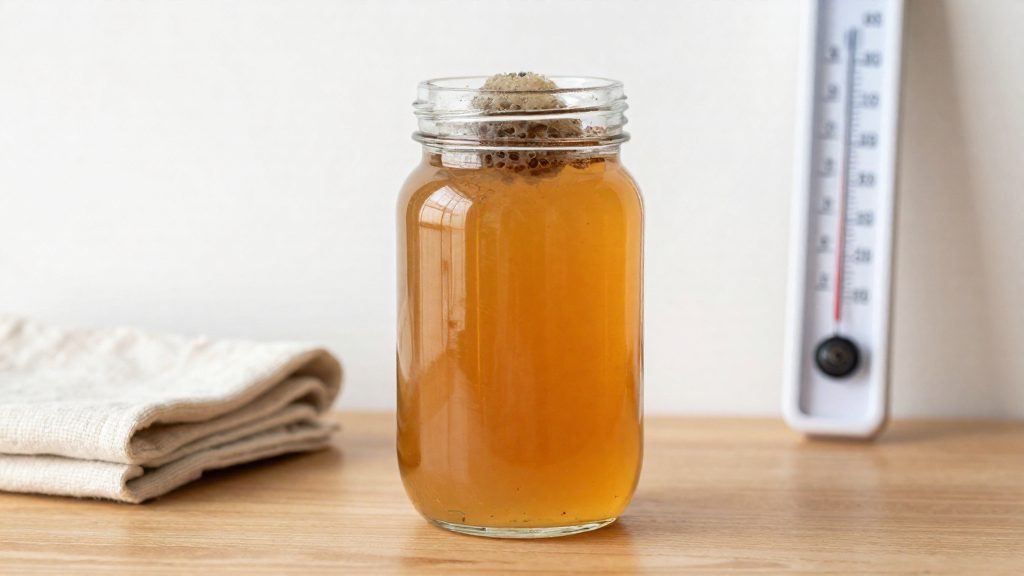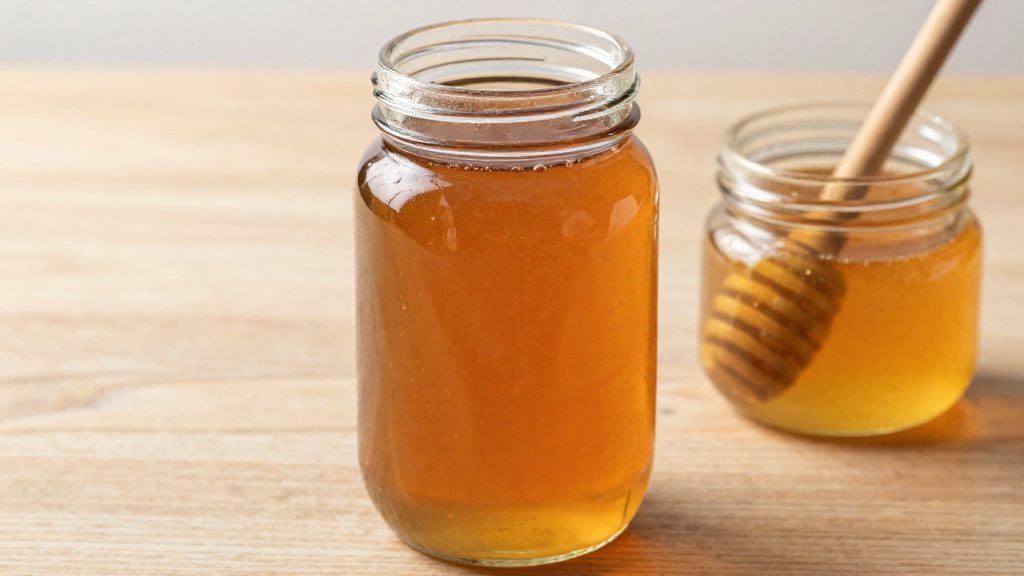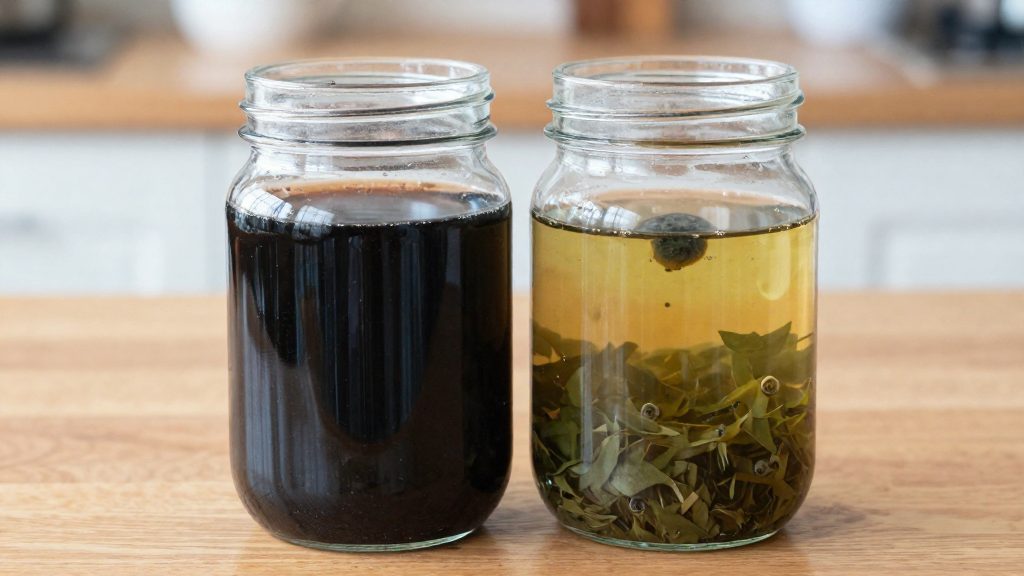
For a first batch, brew black tea. Kombucha Kamp (2026) describes black tea as the usual choice for strong SCOBY growth and robust fermentation, and Science Meets Food (Institute of Food Technologists) (2026) calls it the best tea and natural substrate for the SCOBY. Green tea works too.
Black vs green tea: the short answer
Black tea is the more dependable starting point because the sources link it to strong SCOBY growth and robust fermentation. This is about culture behavior, not food safety. Green tea is a legitimate option once you know how your culture responds, but it is not the recommended first brew.
| Tea type | Culture behavior (per source) | Flavor outcome (per source) |
|---|---|---|
| Black tea | Strong SCOBY growth, robust fermentation | Less sour brew than green tea |
| Green tea | Healthy-looking culture | Cleaner, crisper flavor |
The main trade-off
The choice comes down to culture vigor versus flavor profile. Black tea is associated with strong SCOBY growth and robust fermentation. Green tea is associated with a healthy-looking culture and a cleaner, crisper flavor.
Tea type is only part of the base.
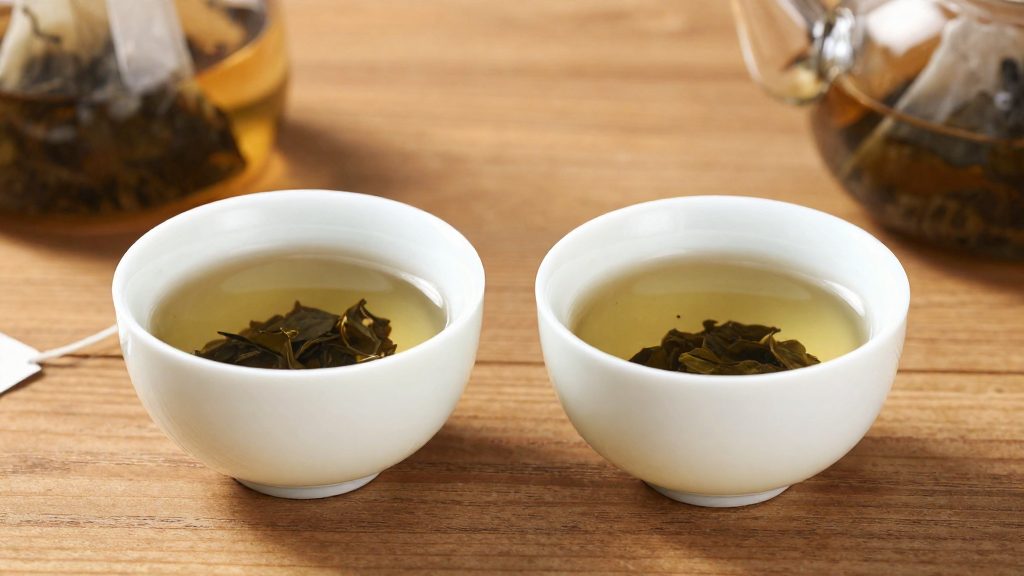
Why does black tea suit kombucha so well?
Black tea is the standard base for kombucha because it suits both parts of the culture: the SCOBY (symbiotic culture of bacteria and yeast) and the fermentation it drives.
Black tea typically produces strong SCOBY growth and robust fermentation, which makes it a reasonable reference point for beginners. Using black tea as the first base also gives you a baseline to compare against when you later test other teas, because you can tell whether a change in the culture comes from the tea or from another variable such as temperature or hygiene.
When you brew with black tea, keep these points in mind:
- Use the same tea type for the first several batches so you can judge how the SCOBY responds.
- Change one variable at a time, such as the tea or the starter liquid, not several together.
- Record the visible state of the SCOBY after each batch so you can spot shifts early.
What does green tea change in the brew?
Green tea changes two things brewers notice first: the appearance of the culture and the taste of the finished drink. According to Kombucha Kamp (2026), a specialist kombucha publication, green tea often produces a healthy-looking culture and a cleaner, crisper flavor. For home brewers, this makes green tea a practical choice when the goal is a drink with a sharper, more defined profile.
The appearance is the first thing to check. A SCOBY grown on green tea is described as healthy-looking, which gives you a visual indicator of the culture’s condition. Judge the SCOBY by its overall look across several batches rather than by a single batch.
Flavor clarity is the second change. Kombucha Kamp (2026) describes the green-tea result as cleaner and crisper. To test this yourself, brew one batch with black tea and one with green tea, keeping the tea-to-water ratio, sugar, and starter liquid identical. Then taste samples from each batch side by side.
Green tea is also an established alternative, not an experiment. Make the change deliberately, and record the results of each batch so you can compare them over time.
Is a black and green blend better?
For most home brewers, a black and green tea blend is the default that Kombucha Kamp (2026) recommends. The reasoning rests on the strengths of each tea rather than on a single winning variety: black tea supports a vigorous culture, and green tea produces a cleaner-tasting brew. The blend aims to get both outcomes in one batch, Kombucha Kamp presents the blend as the best choice for most brewers, while Science Meets Food calls black tea the best tea for the SCOBY. This article suggests black tea for a first batch so you have a single-variable baseline, then trying a blend.
What the recommendation rests on
The blend is presented as a way to combine both traits, so brewers do not have to choose between a reliable culture and a clear taste.
Where the evidence is thinner
Kombucha Kamp recommends a blend, while Science Meets Food calls black tea the best tea. The two do not name the same best base, and the blend recommendation is a single editorial view.
The claim that a blend is better is a recommendation, not a measured result. New brewers should read it as a sensible default to test, not as proof of superiority.
Which teas should you avoid for kombucha?
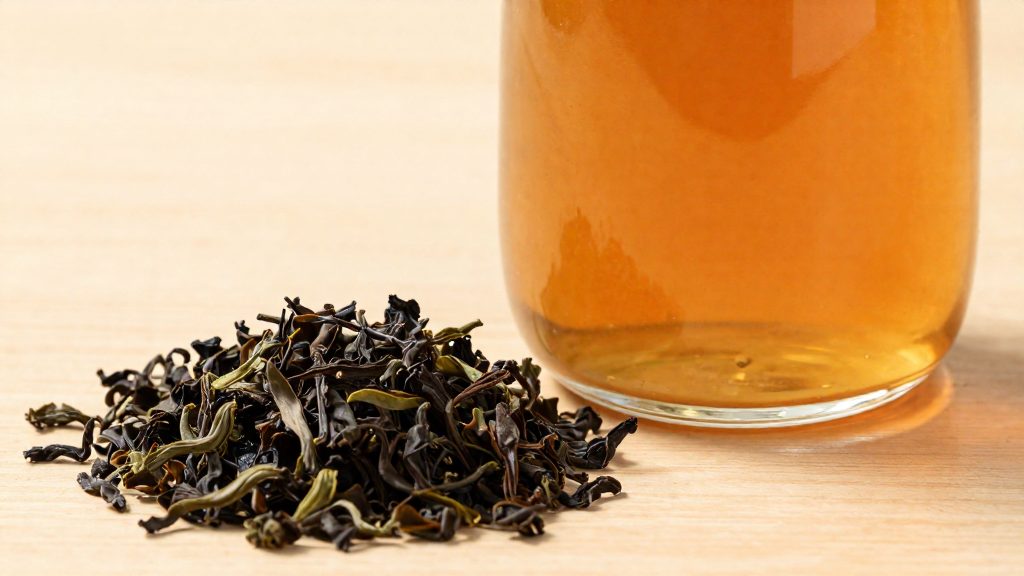
Kombucha Kamp advises against two groups of tea as a kombucha base: herbal infusions and flavored teas (those with added oils or flavorings). The concern differs for each: herbal infusions do not reliably nourish a SCOBY long-term, while the oils in flavored teas can stress the culture. The reason is the same in each case. The SCOBY (symbiotic culture of bacteria and yeast) needs a tea base it can use over many batches, and these products do not provide that.
| Tea type | Problem | Source |
|---|---|---|
| Herbal infusions (for example chamomile or peppermint) | Not true tea, and they do not reliably nourish a SCOBY long-term | Kombucha Kamp (2026) |
| Flavored teas such as Earl Grey | Their oils can stress the culture | Kombucha Kamp (2026) |
Herbal infusions are not made from Camellia sinensis, the plant that produces true black and green tea. Kombucha Kamp (2026) says they do not reliably nourish a SCOBY over the long term. Kombucha Kamp says herbal infusions do not reliably nourish a SCOBY long-term, so they are not a dependable base.
Flavored teas cause a different problem. Kombucha Kamp (2026) advises against Earl Grey and similar blends because their oils can stress the culture. Kombucha Kamp’s concern is that the oils in these teas can stress the culture.
Choosing a suitable tea means checking the label before buying. Look for plain tea leaves with no added oils, flavorings, or fruit pieces. An ingredient list that contains only tea is the simplest check.
How does tea choice affect how sour kombucha gets?
Black tea produces a less sour kombucha than green tea, according to Science Meets Food (2026), a food-science blog run by a student association of the Institute of Food Technologists. If your priority is a milder, less acidic brew, black tea is the base the sources point to.
| Factor | Black tea | Green tea |
|---|---|---|
| Sourness of finished brew | Less sour | More sour than black tea (Science Meets Food, 2026) |
Be wary of any claim that one tea yields more antioxidants than the other in kombucha unless it is backed by measured comparison data.
Neither source explains the chemical mechanism linking tea type to acidity, so the sourness difference should be treated as an observed pattern rather than a proven cause.
Does the tea type change food safety?
The tea choice does affect how the culture looks and behaves, which is the signal brewers can read during a batch.
Contamination and pathogen risk
No tea type is described as safer or riskier for pathogens. Hygiene therefore matters equally for every tea: clean vessels and utensils, clean hands, and no handling of the SCOBY or starter liquid with unwashed tools.
Culture health by tea type
Kombucha Kamp (2026) and Science Meets Food (Institute of Food Technologists) (2026) describe the following differences in how the culture develops:
| Tea base | Reported culture behaviour | Source |
|---|---|---|
| Black tea | Strong SCOBY growth and robust fermentation | Kombucha Kamp (2026) |
| Green tea | Often produces a healthy-looking culture | Kombucha Kamp (2026) |
| Black and green blend | Recommended by Kombucha Kamp (2026) as the best choice for most brewers | Kombucha Kamp (2026) |
Signs of a problem
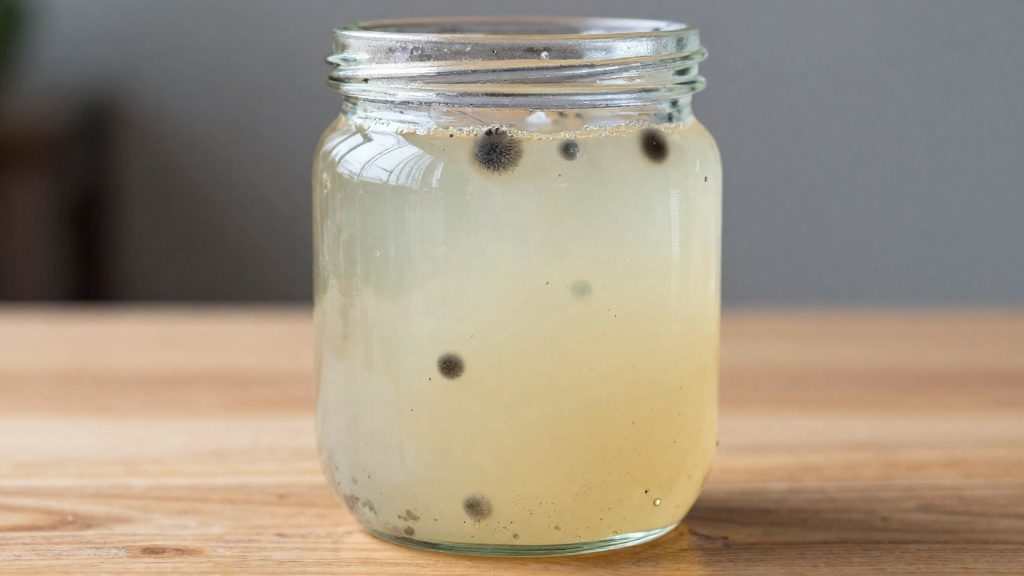
A practical check is to compare the culture with its usual appearance for your tea base. Do not drink a batch if you see fuzzy, dry or powdery growth, or colored spots (green, black, white or pink), on the culture or the liquid. Discard the batch and the culture. Also discard it if it smells rotten or like solvent. If you are unsure, throw it out.
Frequently asked questions
Which tea should a first kombucha batch use?
Both Kombucha Kamp (2026) and Science Meets Food (2026) point to black tea as the base for a first brew, and Kombucha Kamp links it to strong growth of the SCOBY. Green tea is also usable, so it makes a sensible second test once your first batch has fermented successfully.
Can I brew kombucha with herbal tea or Earl Grey?
According to Kombucha Kamp (2026), herbal infusions do not reliably sustain a SCOBY over the long term, since they lack the plant material of true tea. The same publication advises against flavored teas such as Earl Grey, because their oils can stress the culture.
Will green tea make my kombucha taste less sour?
Science Meets Food (2026) reports that black tea produces a less sour brew than green tea. Kombucha Kamp (2026) describes green tea as giving a cleaner, crisper flavor. Expect the change to be noticeable in taste.