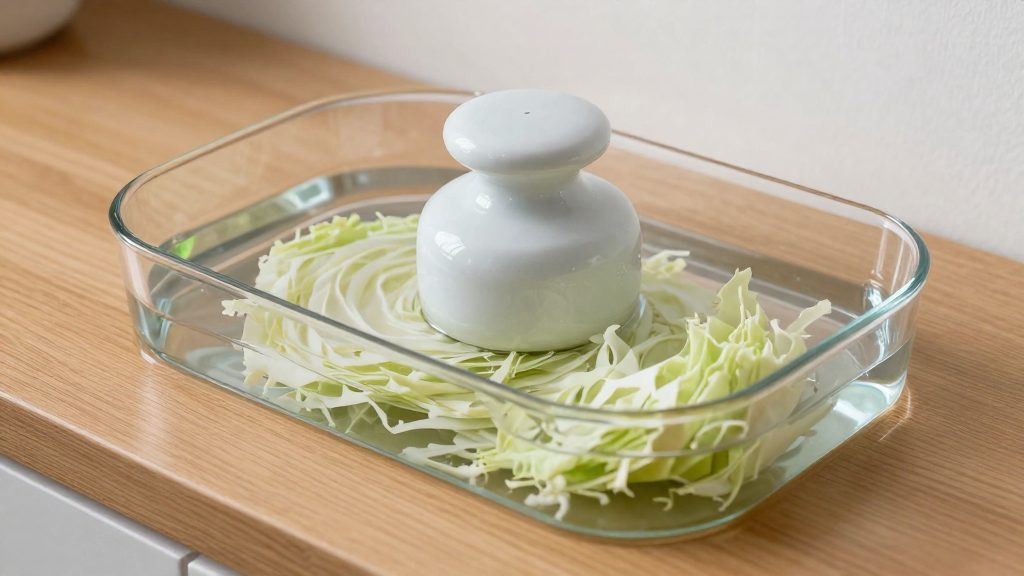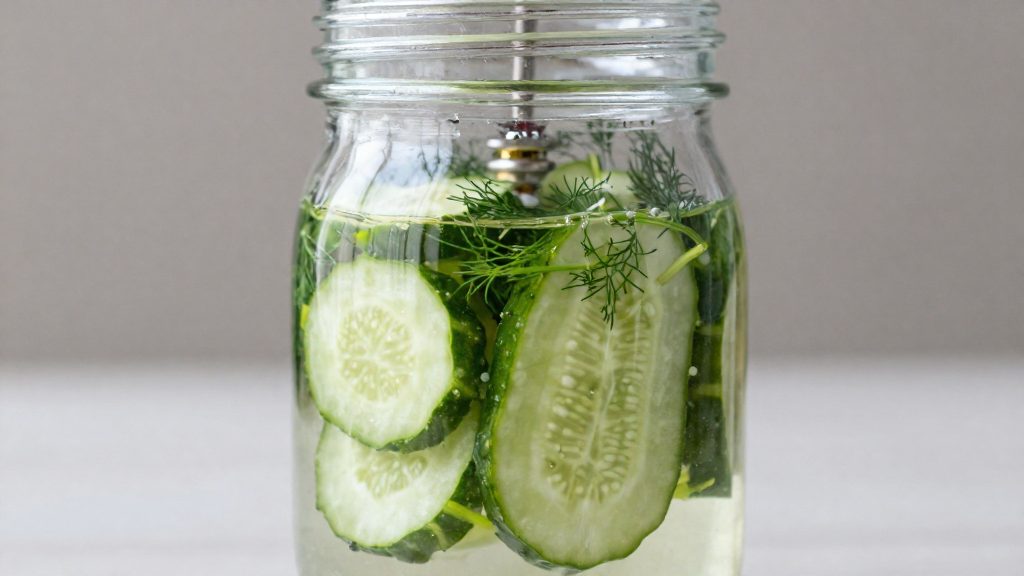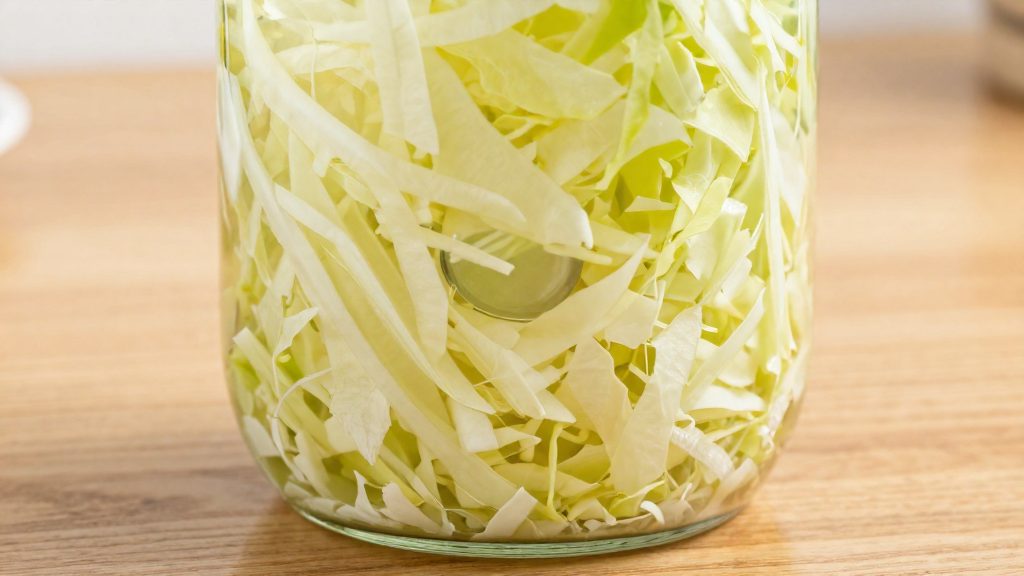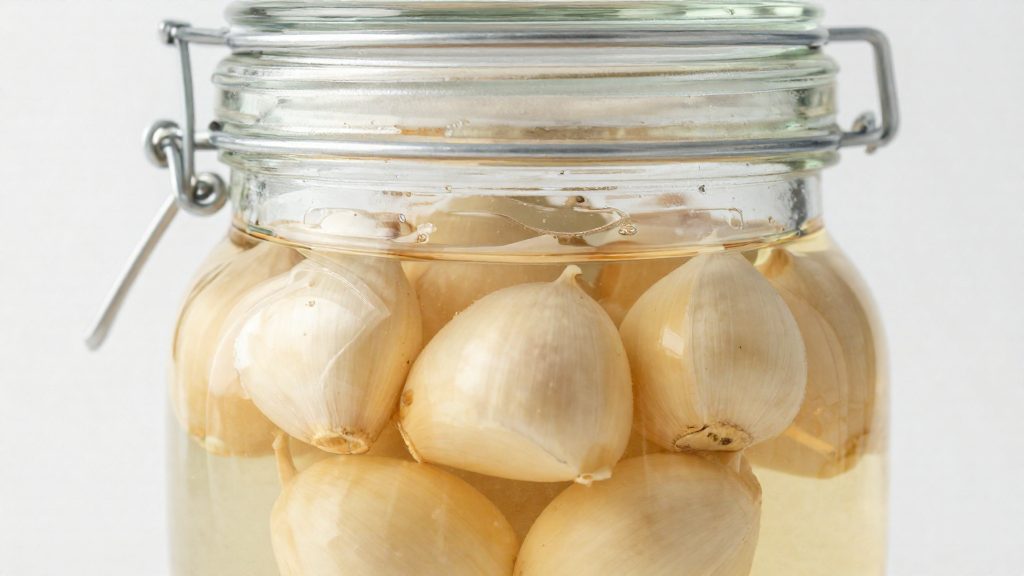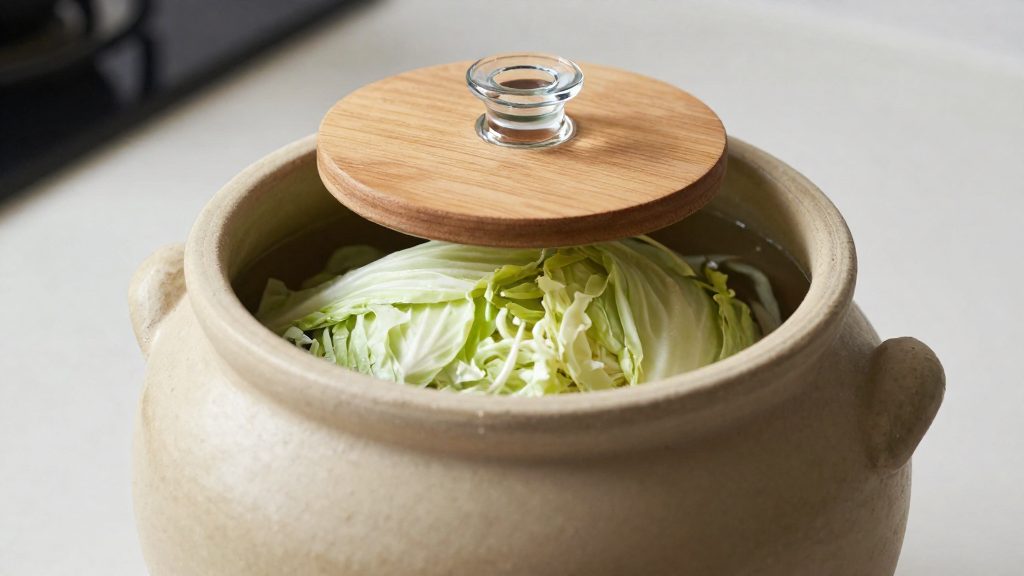
For most home fermenters, glass is the lower-risk choice. Glass containers such as canning jars are the alternative cited for old crocks, and food-grade plastic is another. Older glazed stoneware is better kept for decoration than used for fermenting, and a home test alone should not be treated as proof that it is safe. The University of Maine Cooperative Extension advises using heirloom crocks for decoration rather than fermenting.
Glass vs ceramic fermentation crock: the short answer
Bottom-line verdict
Glass is the lower-risk container for fermenting. A standard glass jar gives you a non-glazed, easy-to-inspect surface. Ceramic is not ruled out, but the risk depends on the crock’s age and origin.
Modern versus antique ceramic
Old stoneware crocks can carry lead in the glaze or decoration, which is why the University of Maine Cooperative Extension treats them as a separate case.
| Container | Verdict | Basis |
|---|---|---|
| Glass (canning jars) | Lower-risk alternative to old crocks | Named as an alternative by the University of Maine Cooperative Extension (2024) |
| Food-grade plastic, types 1, 2, 4 and 5 | Alternative option | Types 1, 2, 4 and 5 are considered the safest plastics |
| Old or heirloom stoneware | Test before food contact; use for decoration | Advised for decoration rather than fermenting |
| Modern glazed ceramic | Origin and glaze status unconfirmed | Not stated |
Which option suits most home fermenters
Most home fermenters should choose glass, since it avoids the uncertainty of glaze composition and requires no lead test. Glass jars suit small batches of sauerkraut, kimchi and fermented vegetables, and they let you see the brine level and surface directly. Keep an old crock for decoration rather than fermenting.
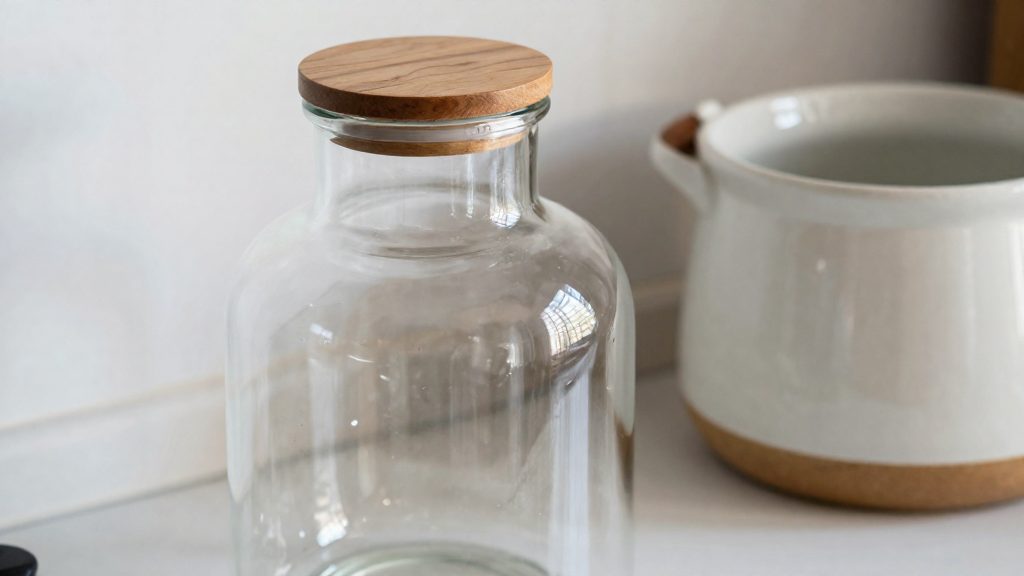
Is a ceramic crock safe for fermenting?
A ceramic crock should be used for fermenting only if its glaze and decoration are confirmed lead-free, and a seller’s claim alone is not proof. Age and appearance are not reliable evidence. According to the Bangor Daily News (2024), quoting the University of Maine Cooperative Extension, old stoneware crocks can carry lead in the glaze or decoration.
Heirloom pieces versus modern glazed crocks
Heirloom crocks and modern glazed crocks differ mainly in how much is known about their glaze. An heirloom piece usually has no maker’s documentation, so its glaze and paint must be treated as unverified. A new glazed crock has a current product description, which is the only available evidence of its composition.
Reading food-grade and lead-free claims
Labels such as “food-grade” or “lead-free” are only as useful as the testing behind them. Practical checks:
- Ask the seller for a written statement on glaze lead content and the test method used.
- Confirm the claim covers the glaze and any painted decoration, not only the clay body.
- Treat a claim with no supporting documentation as unverified.
Unglazed ceramic
Until a manufacturer states in writing that an unglazed piece is suitable for food contact, do not assume it is safe for fermenting.
Testing before use
Home lead test kits use a color-changing swab. Experts differ on how accurate these kits are for home use, so the article recommends several tests to avoid false negatives (Bangor Daily News, 2024). In practice, test the glaze and any decorated areas separately, repeat the test on more than one spot, and treat a negative result, even a repeated one, as not proving the crock is safe, because the accuracy of home kits is disputed.
Why does lead glaze matter for fermented foods?
Lead glaze matters because lead can leave an old stoneware crock and enter the food it holds.
Why lead appears in older glazes
Lead was historically used to help melt glazes and to brighten red, orange and yellow colors. Bright decorative finishes on older pieces are therefore the ones most likely to contain it.
How lead reaches the ferment
Long contact time is the key factor. Fermentation’s long contact time gives lead more opportunity to leach into the food. The extension’s concern is that fermentation’s long contact time gives lead more opportunity to leach into the food. Damage increases the exposure risk: older containers can have cracks or chips, which may harbor bacteria and are harder to clean.
Using heirloom crocks for decoration
A practical split is to display vintage pieces and use a different container for batches.
Is glass a safer choice for sauerkraut and kimchi?
According to Bangor Daily News, quoting University of Maine Cooperative Extension (2024), glass containers such as canning jars are an alternative to old crocks for home fermentation. For sauerkraut and kimchi, which stay in acidic, salty brine for extended periods, glass is the material the extension names first, and it avoids the lead concern tied to old stoneware. The source does not explain the chemistry behind glass’s behavior in brine, so the points below are limited to what the extension recommends and how to select a container.
Glass jars and canning jars as crock substitutes
Canning jars are the most common glass substitute for a crock. Using them involves these checks:
- Confirm the jar is intact before each batch.
- Use the jar’s glass body as the fermenting vessel, not a lid or gasket material that may differ.
- Keep the ferment submerged under brine, which is the main control in both glass and crock setups.
Food-grade plastic: codes 1, 2, 4 and 5 compared
Food-grade plastic is the second alternative the extension lists. Its safest options are:
- Code 1
- Code 2
- Code 4
- Code 5
The source ranks these four codes as the safest. It does not address other codes, so their suitability for brine cannot be confirmed from this source. Check the recycling code on the base of any plastic container before using it.
Why glass stays inert in acidic, salty brines
The source does not state the mechanism that keeps glass inert in acidic, salty brine. What it does establish is that the lead risk comes from old glazed or decorated stoneware. Glass is presented as the alternative to that risk, not as a material that needs special handling in brine.
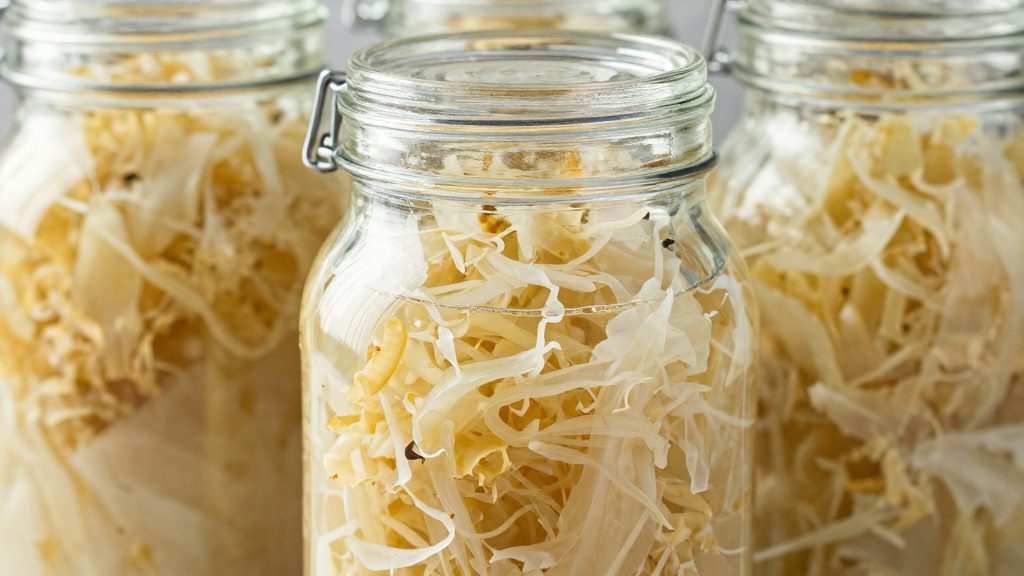
How do glass jars and ceramic crocks differ in handling and breakage?
Glass and ceramic crocks differ most in how they behave when lifted, exposed to light and knocked during routine use. A glass jar is generally lighter and translucent, so you can see the brine line and surface activity without lifting the lid. A ceramic crock is usually heavier and opaque, which makes it steadier on a counter but harder to move once it holds vegetables and brine. Whichever material you use, lift a full vessel with both hands, empty it before moving it when possible, and set it on a stable, level surface.
| Trait | Glass crock | Ceramic crock |
|---|---|---|
| Weight when full | Lighter, easier to carry to a sink | Heavier, more stable on a counter |
| Light exposure | Translucent, so light reaches the contents | Opaque, so the contents stay dark |
| Visibility | Brine level and bubbling visible through the wall | No view of the contents |
| Impact failure | Shatters into sharp pieces | Chips or cracks, with the fragments often staying larger |
Light is the second practical difference. Keep a glass vessel out of direct sunlight. A ceramic crock blocks light, which keeps the environment more uniform, but you cannot check the brine without opening it.
Breakage is the least forgiving factor for glass. A dropped glass crock typically breaks completely, so it is safer to clear the floor of other objects before moving it. Ceramic can survive a minor knock but may develop chips or cracks that are hard to see. Check the rim and interior after any impact, and inspect the vessel regularly, especially around the rim where small damage is most likely.
Which crock suits a small or large batch?
Vessel size should follow batch volume. A single jar suits a small batch of vegetables, while a large batch of sauerkraut needs a container sized to the shredded cabbage and brine you plan to ferment. Size the vessel by measurement: weigh the produce, add the brine, and confirm the container holds that total with room above the liquid.
| Factor | Small batch in a jar | Large batch in a crock |
|---|---|---|
| Typical use | Single kimchi or pickle batch | Full-season sauerkraut or bulk vegetables |
| Packing | Narrow neck makes it harder to pack and easy to keep produce under brine | Wide base allows layers to stay submerged without stacking too high |
| Surface exposure | Less brine surface exposed to air | More brine surface exposed, so the cover and weight matter more |
| Checking | One jar can be opened and checked without disturbing other ferments | Opening the vessel affects the whole batch |
Glass jars are the practical choice for small batches. Because each jar holds a separate ferment, you can run several flavors at once.
Headspace is the gap between the brine line and the lid. A vessel far larger than the batch holds more air above the liquid, which means more surface for oxygen exposure. Leave enough room for the weight and the cover to sit without pressing the brine out, and keep the headspace consistent between batches so results are comparable.
Fermentation duration also shapes the choice. A longer ferment keeps the batch in its vessel for longer, so pick a container you can keep covered and undisturbed for the whole period. For multi-week projects, a stable, lidded vessel matters more than extra capacity.
How to check an old or handmade crock
Checking an old or handmade crock comes down to three steps: inspect the body for damage, test the glaze, and judge how much you know about where the piece came from.
Inspecting cracks, chips and glaze crazing
Work in good light and run a fingertip over the rim, the interior wall and the area near the base. Check for three conditions:
- Cracks: hairline or open lines in the body, the rim or the base
- Chips: spots where the glaze has broken and the bare clay shows
- Glaze crazing: a fine network of lines across the glaze surface
Treat any damaged area as a reason not to ferment in that piece until it has been assessed.
Running home lead swab tests
- Test the interior glaze first, since it is the surface that touches food.
- Record each result. Compare the test points against each other, not only against a single reading.
Recognizing unlabeled, old or handmade pieces
A crock with no maker’s mark, label or known history gives you no information about its glaze. Older and handmade pieces usually fall into this category. If you cannot establish a piece’s origin, treat it as untested until the checks above have been completed.
Frequently asked questions
Is a ceramic fermentation crock safe to use?
It depends on the crock’s age and glaze. Older stoneware can carry lead in the glaze or decoration, and the University of Maine Cooperative Extension advises keeping heirloom pieces for display.
Why does a crock’s age matter more during fermentation than during simple storage?
Fermentation keeps food in contact with the container for days or weeks, which gives any lead more time to migrate into the food. According to the Bangor Daily News, quoting the University of Maine Cooperative Extension (2024), chips and cracks in older pieces can also hold bacteria, so inspect the inner surface before each batch. The long contact time is the main reason experts treat old crocks differently from short-term containers.
Can a home lead test kit confirm that a crock is safe?
Home lead test kits use a color-changing swab, but experts disagree on how reliable they are for household use. The Bangor Daily News, quoting the University of Maine Cooperative Extension (2024), recommends running several tests because a single negative result can be a false negative.