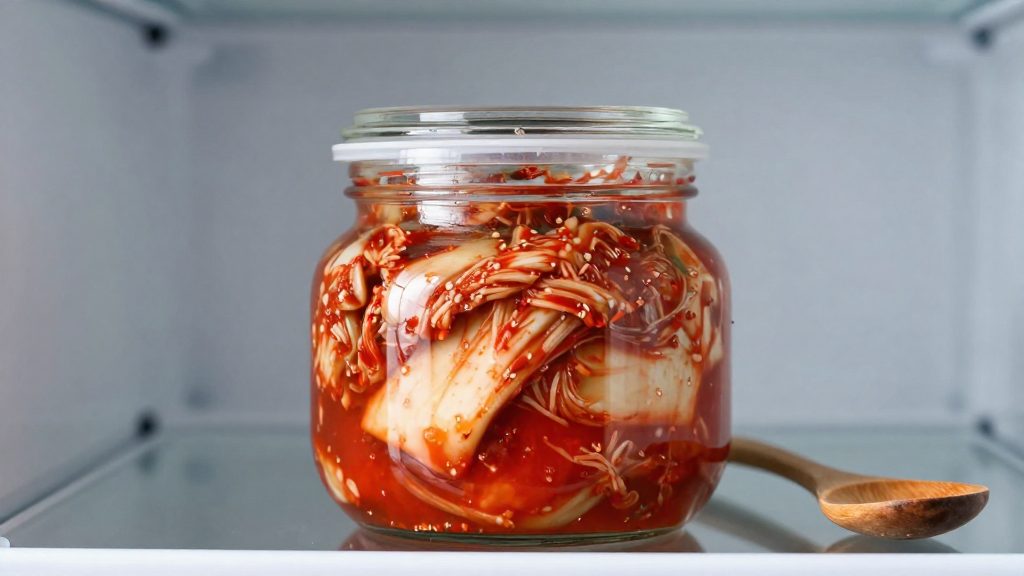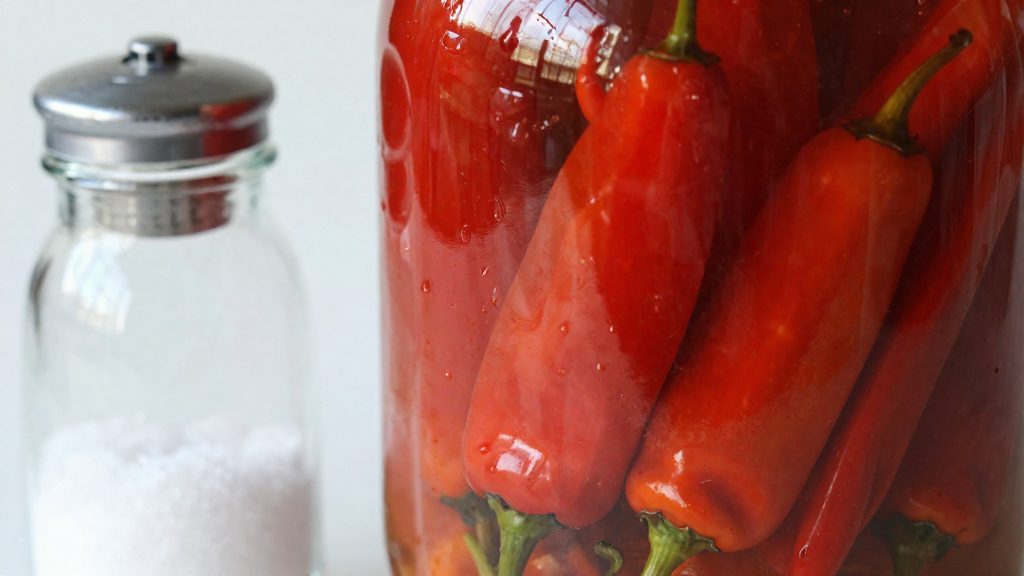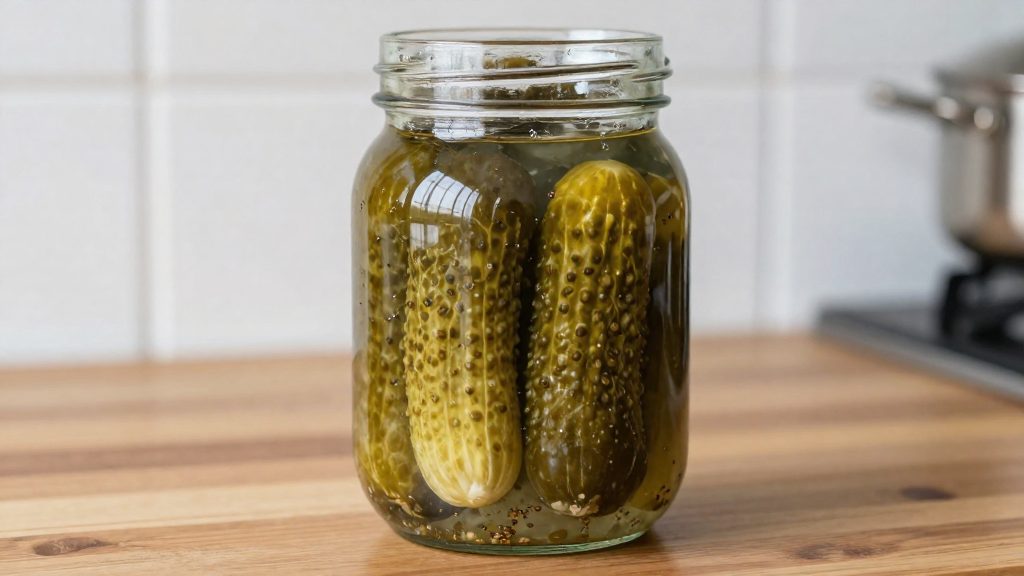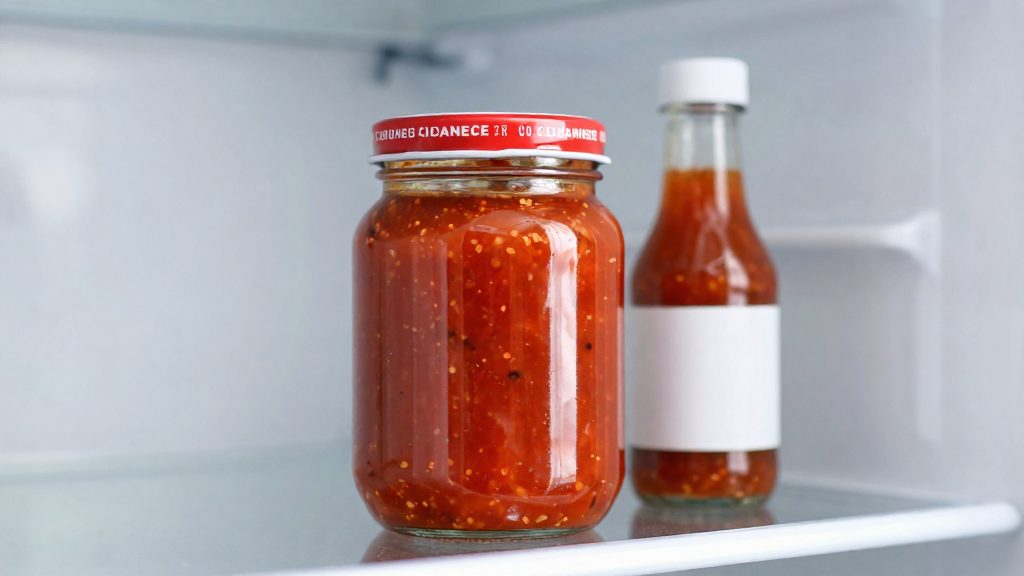
Opened fermented hot sauce belongs in the refrigerator because blending and opening expose it to air, and fresh or fermented sauces can spoil at room temperature. PepperGeek (2026) states that blending exposes the peppers to air, which can invite bad bacteria and mold, and that oxygen is the enemy of a healthy ferment. Food Republic (2026) advises keeping fresh or fermented sauces cold for this reason.
Why refrigerate opened fermented hot sauce?
Oxygen exposure after blending and opening
Blending breaks the peppers into a fine purée and mixes air into it. PepperGeek (2026) identifies this exposure as the reason finished sauces should go into the refrigerator, because oxygen works against a healthy ferment. Each time the jar is opened, the sauce gets more contact with air, so the cold slows the rate at which that contact changes the sauce.
Oxygen also causes visible changes. According to PepperGeek (2026), discoloration from oxygen exposure is usually harmless. A duller or darker colour on its own does not mean the sauce has spoiled, so the other signs below should guide the decision.
Why fresh fermented sauces spoil at room temperature
Food Republic (2026) notes that fresh or fermented sauces in particular should be kept cold because they can spoil at room temperature. This applies to the sauce after blending and opening, when it is no longer sealed in its original state. Return the sauce to cold storage right after each use and do not rely on any grace period.
Bad bacteria and mold growth from air
Air exposure is the route PepperGeek (2026) names for unwanted bacteria and mold. Checking the sauce before each use helps catch problems early.
Does fermented hot sauce keep fermenting in the fridge?
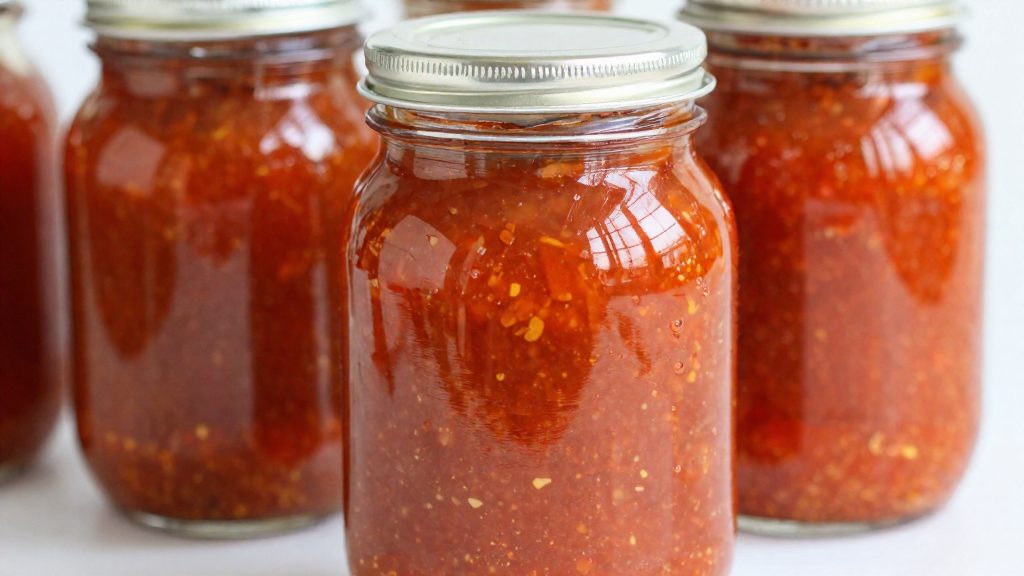
Yes. Fermented hot sauce keeps fermenting in the refrigerator, but more slowly than at room temperature. PepperGeek (2026) recommends refrigerating the sauce once it reaches the flavor you want, because fermentation continues in the fridge at a reduced pace. Cold storage therefore does not stop the process. It slows it enough that the sauce changes gradually instead of quickly.
Slower fermentation at refrigerator temperatures
Refrigeration reduces the rate at which the sauce becomes more sour. The practical check is taste, not elapsed time alone. Bottle the sauce when its acidity and heat match your target, then move it to cold storage immediately.
Flavor shifts over months in the fridge
Because fermentation continues, the flavor of a refrigerated sauce can keep changing after bottling. Check the sauce for the spoilage signs below before tasting it, and note the bottling date so you can compare changes over time.
Gas release and CO2 build-up
Because fermentation continues, some pressure may build up in a sealed bottle, so open it slowly and point it away from your face.
| Stage | Fermentation activity | Practical action |
|---|---|---|
| Room temperature, before bottling | Active | Taste until the target flavor is reached |
| Refrigerator, first weeks | Continues, more slowly (PepperGeek, 2026) | Keep cold; taste at intervals |
| Refrigerator, over months | Flavor keeps shifting; gas can still form | Open slowly and check the bottle before use |
How long does opened fermented hot sauce last?
Fermented hot sauce typically keeps for 1 year or longer in the refrigerator, according to PepperGeek (2026).
PepperGeek (2026) gives the one-year figure for hot sauce in general and adds that homemade sauces often last less time than store-bought ones. For homemade sauces, PepperGeek (2026) reports that they often last less time than store-bought ones. Treat one year as an upper reference rather than a guarantee for your batch.
Several factors shorten keeping time:
- Repeated use: Each time a utensil touches the sauce, it can introduce microorganisms into the batch.
Practical tips for bottles, caps and headspace (general practice, not sourced)
Once opened, fermented hot sauce should go into a clean bottle and stay in the refrigerator. The container choice mainly determines how much air reaches the sauce, so the storage setup matters from the first day.
Bottle material: glass or plastic
In practice, the bottle should be fully washed, dried before filling, and kept free of residue around the rim, which is where a closure makes contact. Pick a bottle you can clean thoroughly, since any leftover sauce on the threads can prevent a tight seal.
Headspace: how much air to leave
Headspace is the empty air layer between the sauce and the closure. Because oxygen is the concern PepperGeek raises, the practical goal is to keep that layer small. Transfer the sauce into a bottle close to the batch volume rather than a much larger one. Bottles that are mostly empty hold the most air relative to the sauce, so reserve a smaller bottle for the last portion. Refilling into a smaller container as the level drops keeps the air layer from growing over time.
Cap type and seal integrity
Seal integrity matters most: the closure should fit the bottle snugly and close fully each time. Before refilling, check the rim and any gasket for cracks, flattening or residue. A loose or damaged seal lets more air move in and out of the bottle over weeks in the refrigerator. Replace a lid whose seal is distorted rather than relying on tightening it further.
How can you tell if hot sauce has gone bad?
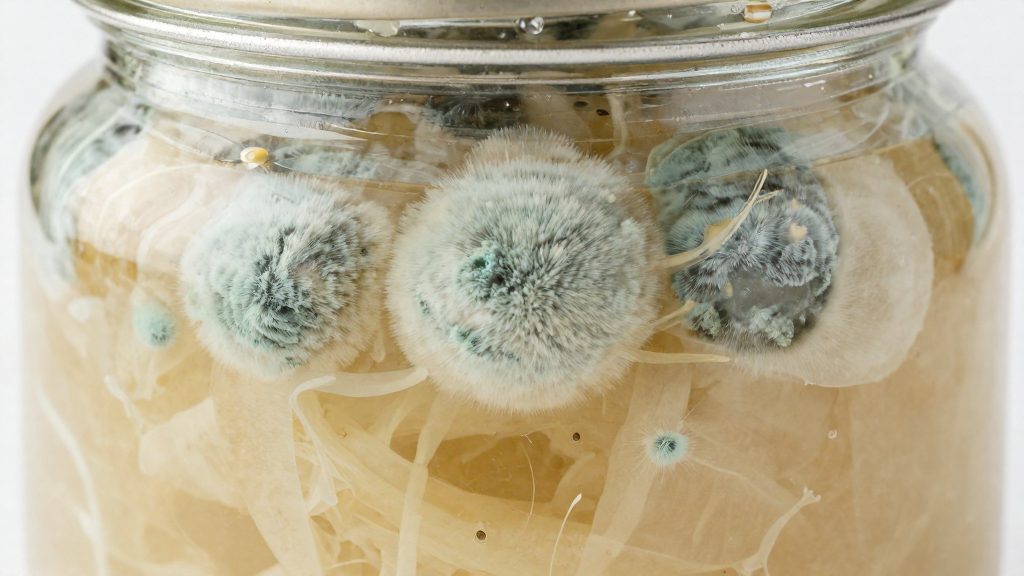
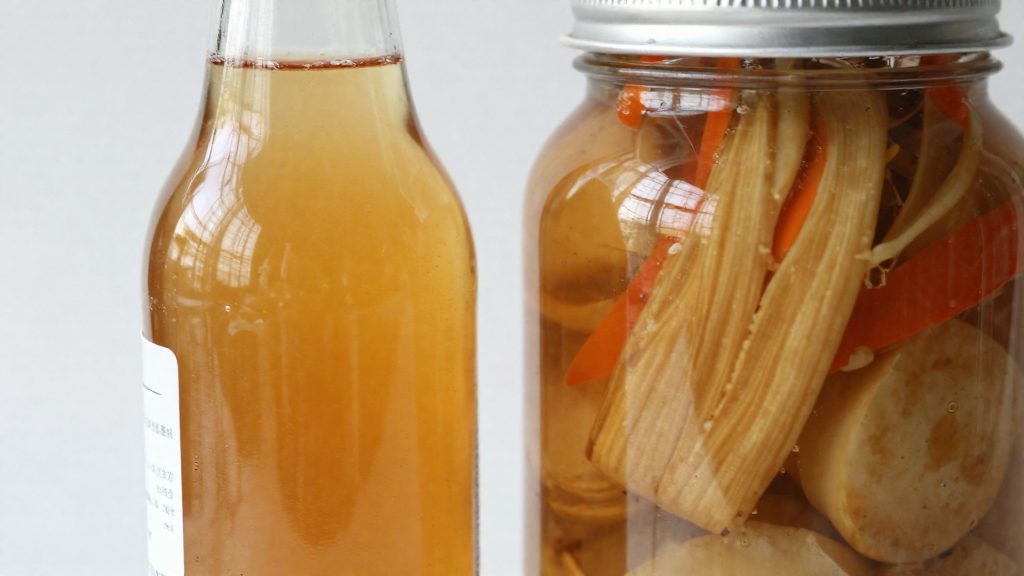
Spoilage in fermented hot sauce shows up through three checks: sight, smell and texture or taste. PepperGeek (2026) states that a sauce should be discarded when it shows fuzzy mold or has a sour or rotten odor, and that a sauce that tastes off or feels slimy should be spat out.
| Sign | Guidance | Notes |
|---|---|---|
| Fuzzy mold or visible growth | Discard the sauce | |
| Sour or rotten odor | Discard the sauce | Check the smell before tasting anything |
| Slimy texture | Spit it out | Do not swallow a sauce that feels slimy |
| Off taste | Spit it out | A flavor that no longer matches the sauce’s usual profile is a warning sign |
| Discoloration from oxygen | Usually harmless | Only if there is no mold, no sour or rotten odor, no slimy texture and no off taste |
Visual checks
Look at the surface before opening the bottle wider.
Smell checks
Smell the sauce before tasting it. This check is useful because it happens before any contact with the mouth.
Texture and taste checks
These checks come last because they require putting the sauce in the mouth.
Can fermented hot sauce be shelf-stable?
Not in the same way as a home batch. A fermented hot sauce kept as a live product keeps changing, and it calls for refrigeration. Shelf-stable bottles on store shelves are a different product. Some are processed so the culture is no longer active, and many formulations include vinegar, but this varies by product, so check the label. A commercial bottle sitting unrefrigerated tells you little about an unprocessed batch made at home.
What pasteurization changes
Pasteurization is a heat step that ends live fermentation. Once the microbes are inactivated, the sauce stops developing flavor and acidity on its own. Home batches skip this step.
Vinegar in commercial formulations
Many commercial hot sauces add vinegar, which contributes acidity independent of the fermentation. The ingredient list is the only reliable reference for a specific product.
Commercial bottles on unrefrigerated shelves
Some commercial bottles are sold unrefrigerated. The sources do not explain why, so follow the label’s storage instructions. To check a specific bottle, read the label for pasteurization claims and storage instructions. Those instructions override any general assumption.
| Feature | Home fermented, unpasteurized | Commercial bottle |
|---|---|---|
| Live fermentation after bottling | Ended by pasteurization |
Does pH matter for storage?
Acidity affects how well a fermented hot sauce holds up after opening, and pH is sometimes used as a storage indicator, but a pH reading alone does not show that an opened sauce is safe. The spoilage signs above still apply.
How acidity changes after bottling
The acidity of an opened sauce can keep shifting, so a reading taken on bottling day may differ from one taken weeks later.
Testing acidity at home
Two common tools measure pH at home:
| Tool | What it gives | Practical note |
|---|---|---|
| pH test strips | A colour-match estimate of acidity | Quick and inexpensive, but less precise than a meter |
| Digital pH meter | A direct electronic reading | Calibrate according to the manufacturer’s instructions |
To test, stir the sauce until it is evenly mixed, take a small sample, and measure it at the same point in each batch. Consistent sampling matters more than the specific tool, because the blended texture of a sauce can give uneven readings if it is not mixed first.
Acidity variation between batches
Acidity is not fixed from one batch to the next. Differences in pepper variety, salt level, and fermentation time all change the final result. Comparing readings across batches shows whether your method produces a consistent result.
Frequently asked questions
How long does opened homemade hot sauce last in the fridge?
PepperGeek (2026) says hot sauce typically keeps for a year or longer when refrigerated. It also notes that homemade batches often last less time than store-bought ones, so treat the one-year figure as an upper benchmark, not a guarantee for your jar. A batch-specific check before each use is the most reliable way to judge a homemade sauce.
Does fermented hot sauce keep changing after I put it in the fridge?
Yes. According to PepperGeek (2026), fermentation continues in the refrigerator, only more slowly than at room temperature. Flavour will keep developing over time, so a sauce that tastes right today may taste sharper or more mellow a few weeks later.
How do I tell if my opened hot sauce has gone bad?
PepperGeek (2026) advises discarding the sauce if you see fuzzy mold or notice a sour or rotten smell. If it tastes off or feels slimy, spit it out rather than swallowing it. A darker colour caused by oxygen exposure is usually harmless on its own.