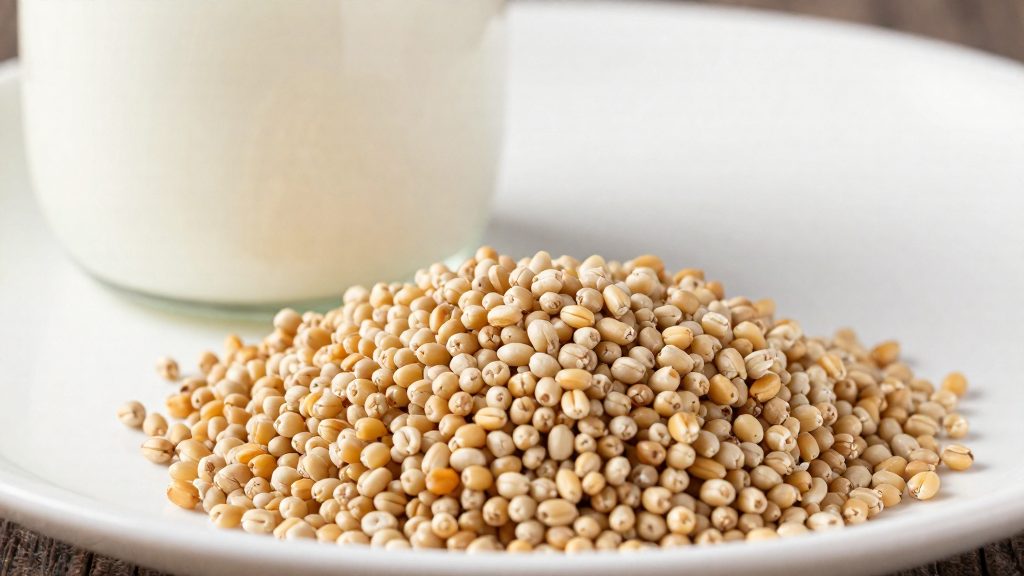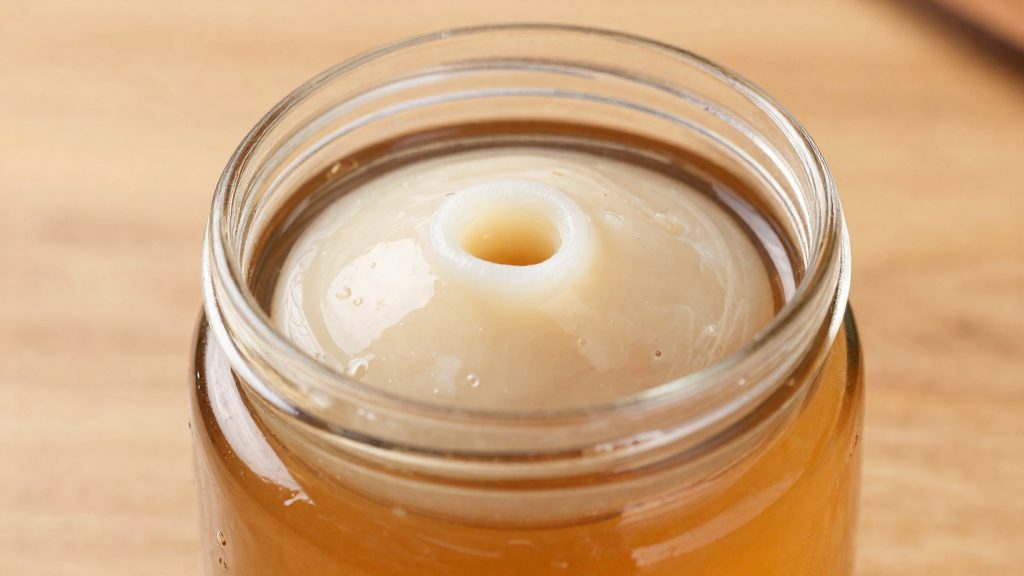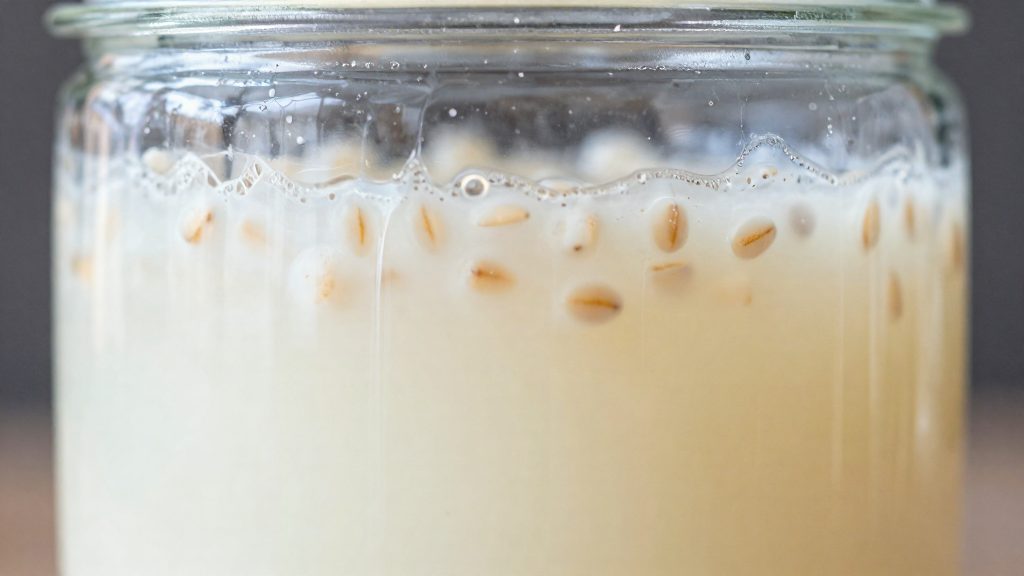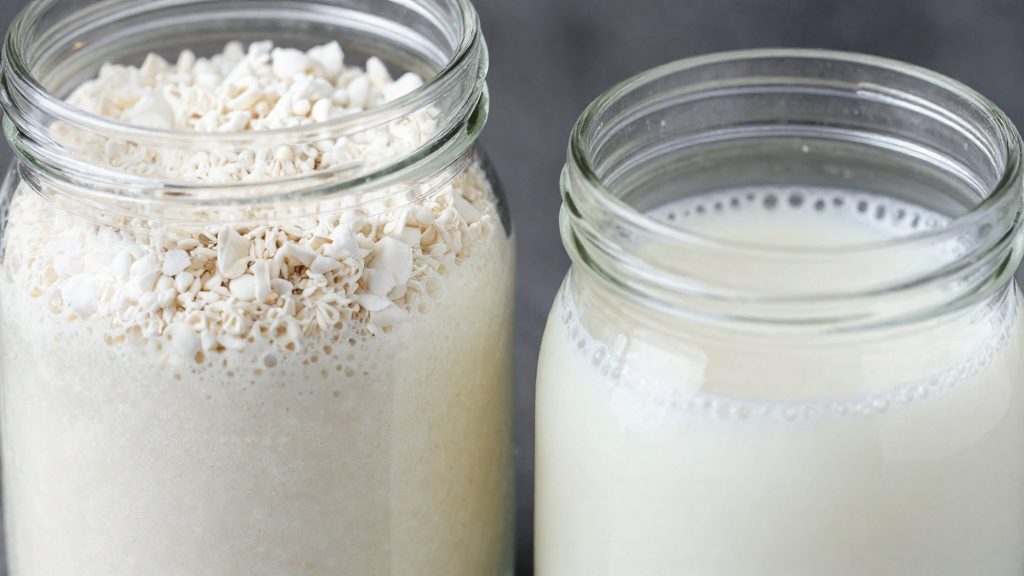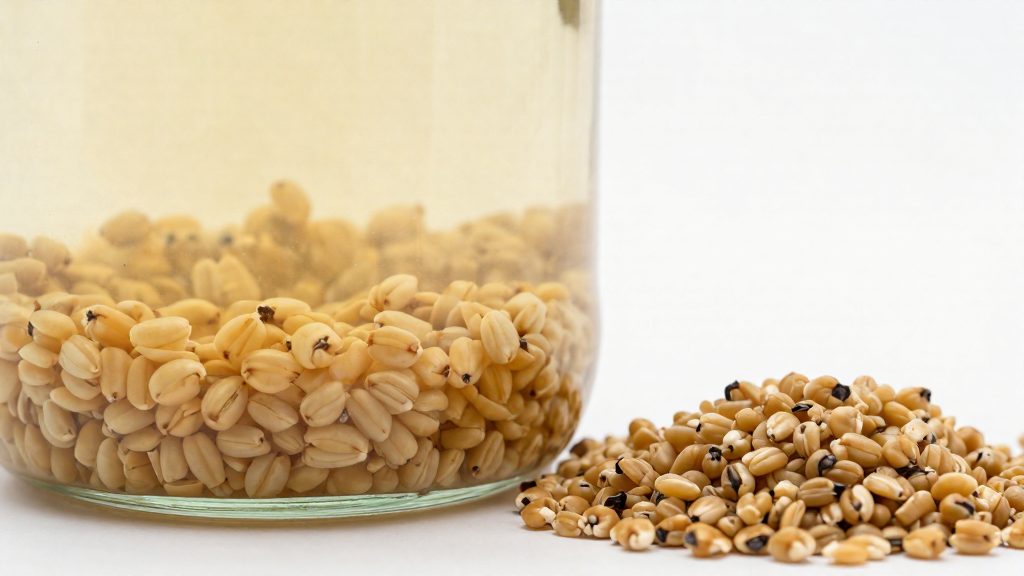
The consulted sources confirm only one live-grain seller, Kombucha Kamp, and one dried-grain seller, Cultures for Health, which sold dried grains at the time of an undated article. Kombucha Kamp sells live grains in bundles, while Cultures for Health has sold dried grains. Yemoos, Kefir Lady and GEM are also named as sellers, but the consulted sources do not say which format they list. Check the format on each product page before ordering, because live and dehydrated grains need different starting steps. The first-batch steps below apply to live grains. For dehydrated grains, follow the seller’s rehydration guidance.
Where can you buy water kefir grains online?
Vendors that list live grains
Live grains are the fresh, active form of the culture. Kombucha Kamp sells them in bundles. Because the bundle includes more than grains, compare the contents line by line with other sellers.
Yemoos, Kefir Lady and GEM sell water kefir grains. Check each seller’s product page to see whether its listings are live, dried or both.
Dried and powdered options
Dried grains are dehydrated and stored for shipping. According to New England Cheesemaking Supply Company, Cultures for Health sold dried water kefir grains online.
| Format | Example from consulted sources | Key detail |
|---|---|---|
| Live (fresh) grains | Kombucha Kamp | Sold in bundles (Kombucha Kamp, 2026) |
| Dried (dehydrated) grains | Cultures for Health | Sold online as dried grains (New England Cheesemaking Supply Company) |
| Freeze-dried powder starter | Powdered starter cultures | Starter culture, not grains |
How to check a listing before buying
- Read the title and description for the words “live,” “fresh,” “dried,” “dehydrated” or “powder.”
- Check the quantity unit. Kombucha Kamp states its amount in tablespoons, so compare it only with listings that give a volume.
- Look for bundled extras such as yeast, since these change what you receive.
- If the listing does not state the format, contact the seller and ask before ordering.
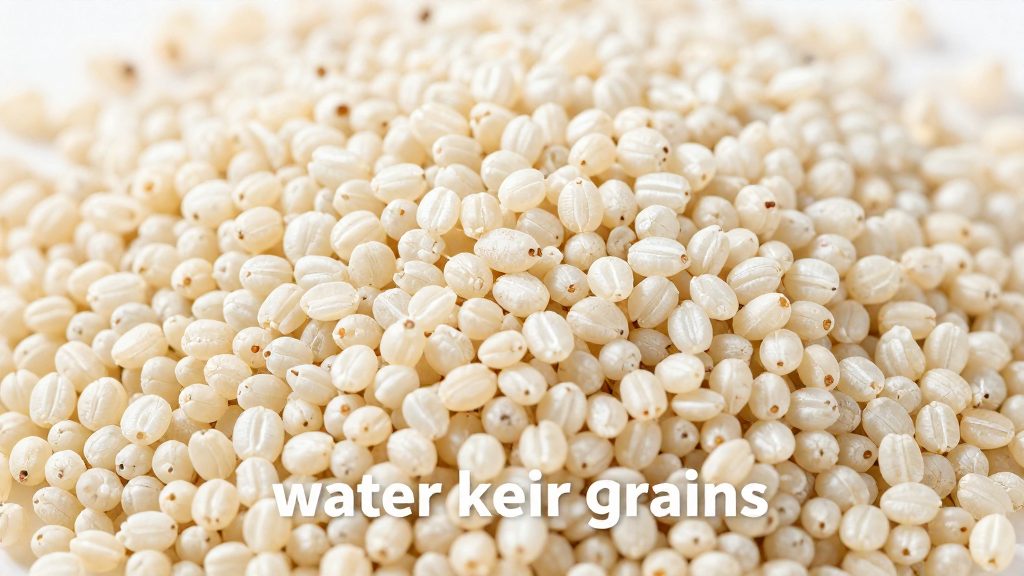
Fresh vs dried water kefir grains
Water kefir is sold in three forms online: living (fresh) grains, dehydrated grains, and freeze-dried powder starters. Living grains are the active culture. Dehydrated grains are the dried form, and freeze-dried powder starters are a separate product. The sources give no comparable culture counts for each format.
| Format | Physical form | Probiotic content |
|---|---|---|
| Living water kefir grains | Active, moist grains that ferment on contact with sugar water | Live cultures; counts not specified in the consulted sources |
| Dehydrated water kefir grains | Dried grains, for example those sold by Cultures for Health | Counts not specified in the consulted sources |
| Freeze-dried powder starter | Powder | Far fewer probiotics than living grains |
Living grains are sold as active cultures.
Dehydrated grains are the dried example here. Because the consulted sources do not describe how dehydration affects grain structure or culture activity, rehydration instructions should come from the seller’s own guidance.
Freeze-dried powder starters are a separate product, not dried grains. According to New England Cheesemaking Supply Company, they contain far fewer probiotics than living grains, so a powder is not a direct substitute for a living culture when the goal is a high-activity starter.
What to check before you order
Before you pay, read the product listing for four details: how many grains you receive, what the grains are grown in, whether they are living or dehydrated, and whether printed guidance comes in the box. Sellers describe these differently.
Bundle quantity and added yeast
Kombucha Kamp sells live water kefir grains in bundles. Each packet holds 2 tablespoons of grains plus yeast to speed up the start of fermentation (Kombucha Kamp, 2026). Check whether the listing gives the grain volume in tablespoons or another unit, and whether the yeast is part of the bundle. A listing that gives only a “starter” label, with no volume, makes it hard to compare batch sizes across sellers.
Cultivation medium
Confirm the sugar and water the grains were grown in. Kombucha Kamp states that its grains are cultivated in cane sugar and fluoride-free filtered water (Kombucha Kamp, 2026). Look for both points named explicitly. A listing that says only “filtered water” or “sugar” does not tell you what the grains have been living in.
Living or dehydrated grains
Both fresh (living) and dried (dehydrated) water kefir grains are sold online. Confirm which form the listing describes before ordering.
Included printed instructions
Several sellers include instructions or a booklet with their grains. Happy Herbalist, for example, includes a 20-page booklet (New England Cheesemaking Supply Company). Note whether the guidance is printed in the package or only linked online, since a listing that mentions neither leaves the question open.
| Detail | What to confirm | Example |
|---|---|---|
| Bundle quantity | Grain volume and whether yeast is included | Kombucha Kamp |
| Cultivation medium | Sugar type and water type | Kombucha Kamp |
| Grain form | Living (fresh) or dried (dehydrated) | Both sold online |
| Printed instructions | Whether a booklet is included | 20-page booklet from Happy Herbalist |
How much do water kefir grains cost?
Online prices for water kefir grains vary widely, and the lowest sticker price does not always mean the lowest cost per unit of grain. Kombucha Kamp sells live water kefir grains in bundles priced from $24.88 to $79.88 (Kombucha Kamp, 2026). For dried grains, New England Cheesemaking Supply Company reported that Cultures for Health sold them at $16.99 plus flat shipping within the continental US at the time of its article.
Live grain bundles at Kombucha Kamp
The per-tablespoon figures below apply only if a listing is a single 2-tablespoon packet. Check each higher-priced bundle’s product page for its packet count.
| Listed price (Kombucha Kamp) | Price per tablespoon (one 2-tablespoon packet) |
|---|---|
| $24.88 | $12.44 |
| $79.88 | Cannot be calculated: bundle volume not stated in the sources |
Dried grains at Cultures for Health
The dried grain listing gives a single price of $16.99 plus flat shipping, but the shipping amount and the quantity of grains are not stated in the source. The price alone therefore cannot be converted into a cost per tablespoon. The same article notes that Cultures for Health did not ship internationally at that time, so buyers outside the continental US should check eligibility before comparing costs.
Comparing cost per tablespoon across packet sizes
To compare offers fairly, follow these steps:
- Find the stated volume on each listing, in tablespoons or another unit.
- Add shipping to the product price to get the total cost.
- Divide the total by the stated volume.
- Compare only figures calculated in the same unit.
A lower price for a powder starter does not make it equivalent to grains.

Shipping, timing and what arrives
Dispatch schedules and order thresholds determine when live grains reach your kitchen. Sellers handle these differently, so check each shop’s rules before you order.
| Seller | Shipping rule | Source |
|---|---|---|
| Kombucha Kamp | Free US shipping on orders of $75 or more; orders ship twice a week | Kombucha Kamp (2026) |
| Yemoos | Ships mostly on Mondays | New England Cheesemaking Supply Company |
| GEM | Ships mostly on Mondays; no international shipping | New England Cheesemaking Supply Company |
| Kefir Lady | Ships mostly on Mondays | New England Cheesemaking Supply Company |
| Cultures for Health | No international shipping | New England Cheesemaking Supply Company |
| Eat Yourself Healthy | No international shipping | New England Cheesemaking Supply Company |
The $75 threshold applies to the order total, so a smaller order pays for delivery. Compare the cart total against the threshold before you check out, especially if you only need one packet.
Weekday dispatch affects planning more than the shipping fee does. A Monday-dispatch seller can hold an order placed late in the week until the following Monday, so the order’s arrival date depends on the day you buy. If you want grains by a specific date, place the order on the day before the seller’s usual dispatch.
For international buyers, the list above narrows the options. The New England Cheesemaking Supply Company article reported that Cultures for Health, GEM and Eat Yourself Healthy did not ship internationally at the time it was published. Confirm each seller’s destination list directly before ordering.
How do you start your first batch?
Your first batch of water kefir depends on three things: fermentation temperature, fermentation time, and how you handle the grains between brews. Kombucha Kamp (2026) advises fermenting water kefir at 68–78°F (20–26°C) for about one to two days. Keep the sugar water within that range for the whole process, then check the result to decide whether it needs the full two days.
Temperature sets the pace
Temperature controls how quickly the grains work. According to Kombucha Kamp (2026), a cooler environment slows fermentation, and a warmer one speeds it up. A batch kept in a warm room can therefore be ready well before the two-day mark, while one kept in a cool spot will take longer. Judge readiness by taste and appearance as well as by the clock, because the same number of days can produce different results at different temperatures.
Brewing steps for a first batch
- Place the grains in sugar water and keep the container within the 68–78°F (20–26°C) range.
- After about one day, taste the liquid. If it is still too sweet for your preference, allow more time, up to about two days in total.
- Strain the liquid off the grains once the batch reaches the flavour you want.
Handling recaptured grains
Once you strain the finished batch, the grains you recover are ready for the next one. Kombucha Kamp (2026) says do not rinse recaptured grains before they go straight into the next batch. Start the new batch in the same temperature range and follow the same one-to-two-day window, so each cycle repeats the same conditions.
Mistakes to avoid with new grains
New owners often make errors that have little to do with the grains themselves. Three recurring ones involve the tools they use, the speed they expect from dried starters, and the ingredients they change partway through a culture’s life.
Using metal tools or containers during fermentation
Water kefir becomes acidic as it ferments. As general practice, avoid prolonged contact with reactive metals and ferment in glass. Brief contact with food-grade stainless steel utensils is generally considered acceptable.
Expecting instant activity from dried or powder starters
Dried grains must regain activity before they behave like fresh ones. Judge a new culture by its performance over several successive batches rather than the first one.
Switching sugar type or water source abruptly
A culture adapted to one sugar and one water source can respond poorly to a sudden change in either. If you want to switch, change one variable at a time and only after a batch has fermented consistently.
Frequently asked questions
How can I tell whether a listing is for live grains or dried grains?
Read the title and description for the words “live,” “fresh,” “dried,” “dehydrated” or “powder.” Live grains are sold as the active culture, while dehydrated grains need the seller’s rehydration steps before first use. A powder is a freeze-dried starter culture rather than grains, and according to New England Cheesemaking Supply Company it contains far fewer probiotics than living grains.
Do all sellers charge the same shipping and ship on the same days?
No. Kombucha Kamp offers free US shipping on orders of $75 or more and ships twice a week, according to its own site (2026). Yemoos, GEM and Kefir Lady mostly ship on Mondays, based on New England Cheesemaking Supply Company’s reporting. Cultures for Health charged a flat shipping fee on top of its $16.99 dried-grain price at the time of that undated article.
Can buyers outside the United States order from these sellers?
According to New England Cheesemaking Supply Company, Cultures for Health, GEM and Eat Yourself Healthy did not ship internationally at the time of its article. Check each store’s shipping page before you order from outside the US.