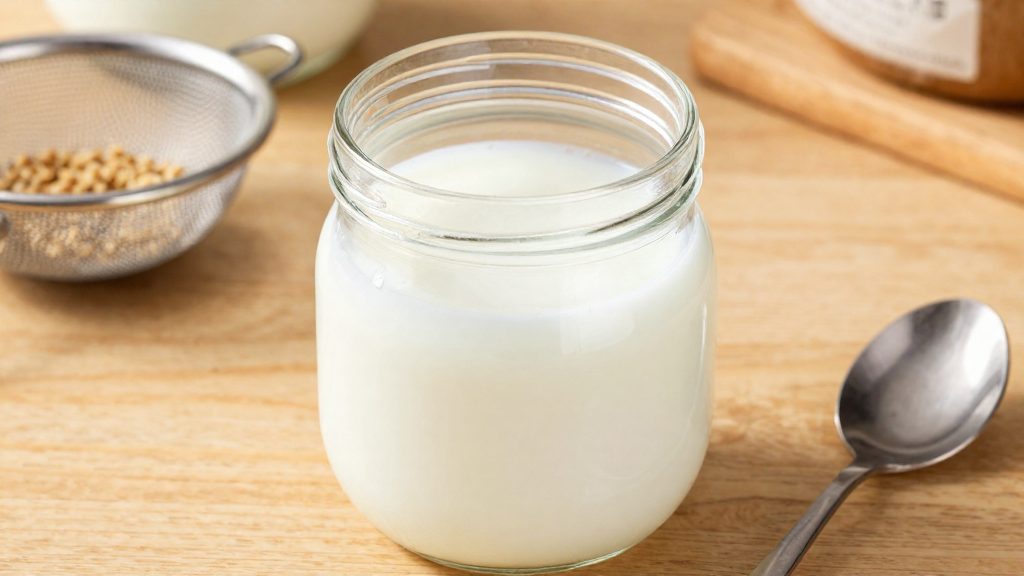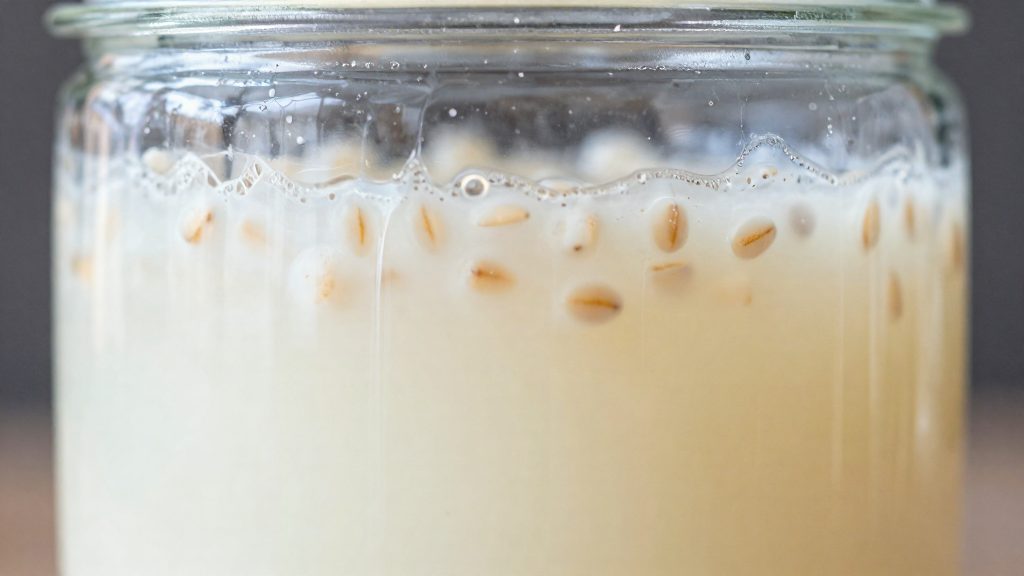
Milk kefir is normally a smooth, pourable, slightly thick cultured milk. A texture that is somewhat thicker or more viscous than usual is not, on its own, a sign of spoilage. Judge the texture by a consistent, creamy consistency with no grainy or fuzzy elements, alongside smell and the appearance of the grains.
Is slimy kefir normal?
According to Fairment, milk kefir that is a bit thicker than usual and slimy can mean the stressed culture is adjusting to new conditions. The change reflects the culture’s response to its environment, so it should be read as a condition to address rather than an automatic reason to discard the batch.
Thickness can shift with two factors. The first is ambient temperature, which changes how quickly the culture ferments. The second is batch age: a culture that has recently been moved, re-established, or simply run for many cycles may take several batches before its texture settles. The consulted sources do not specify how much temperature or batch count changes the texture, so avoid relying on a remembered ideal. Instead, record the room temperature and batch number for each jar, then compare consecutive batches. A pattern that repeats across batches tells you more than one slimy jar.
When thickening appears after a change in routine, such as a new milk, a new jar, or a move to a warmer or cooler spot, the adjustment is usually temporary. Fairment’s recommended response is a lukewarm water wash of the grains, followed by a new batch. Wash gently, then start fresh with the same method you normally use, and check the texture of the next batch against the earlier ones.
Keep the smell check separate from the texture check. The consulted sources associate a bad smell with a different cause than a thicker texture, so a jar that is only slimy and smells normal is handled as a culture adjustment, while an off smell calls for a closer look at what changed in the process.
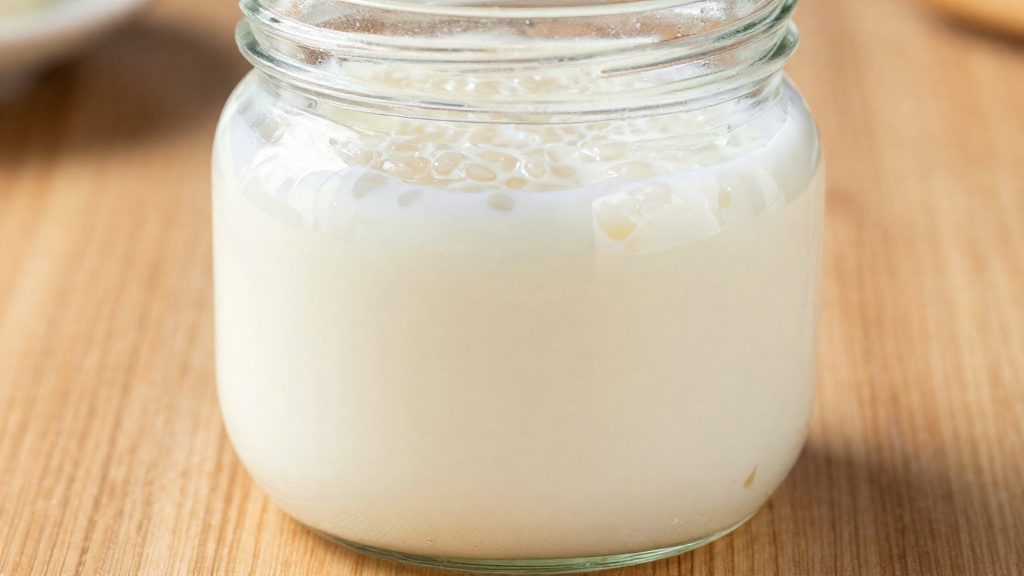
Why is my milk kefir stringy or ropy?
Stringy or ropy milk kefir is most often caused by immunoglobulins, also called agglutinins. According to Yogurt at Home, these proteins make bacteria clump together, and the clumps give fermented milk a glue-like, viscous or ropy texture. Milk always contains immunoglobulins, so the effect comes from the milk itself and does not by itself mean the culture has failed. The concentration is not the same in every milk, and colostrum contains the most. Milk with a high colostrum share, such as milk from a cow shortly after calving, is therefore the most likely to produce strong ropiness.
Ropy versus thick and smooth
The texture gives clues about the cause. A ropy ferment pulls into strands when it is stirred or lifted, which reflects the protein clumping described above. A thick, smooth ferment pours as one body without strands.
| Texture | Typical appearance | Cause described in the sources |
|---|---|---|
| Ropy or stringy | Pulls into strands when stirred or lifted | Immunoglobulins causing bacteria to clump (Yogurt at Home) |
| Glue-like, viscous or ropy | Heavy, sticky body that pulls into strands | Immunoglobulins causing bacteria to clump (Yogurt at Home) |
Comparing the texture with your usual batch helps you tell these apart. If the change is limited to strands, immunoglobulins in the milk are one plausible cause. Fairment, however, also links very slimy, thread-pulling milk kefir to a stressed culture adjusting to new conditions. The sources give no test to tell the two apart, so change one thing at a time (milk, equipment rinsing, grain wash) and compare batches.
Why are my water kefir grains slimy?
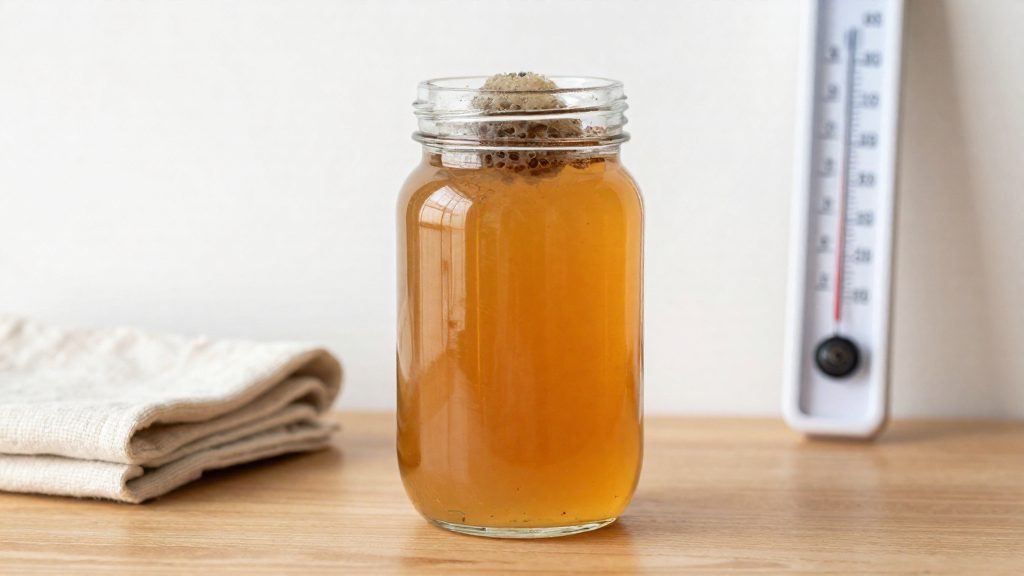
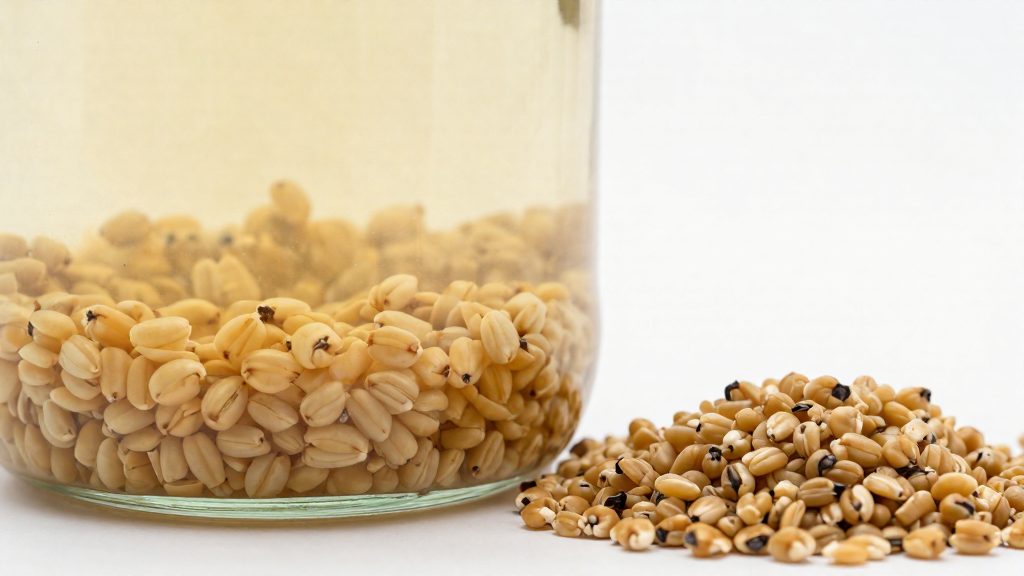
Slimy water kefir grains that also smell bad are usually a sign of over-mineralization, according to Cultures for Health and Cultured Food Life. Water kefir grains are a colony of bacteria and yeasts that ferments a sugar solution. The sources suggest the sugar is the first thing to change, so start by reviewing what you put into each batch.
Where the minerals come from
The sources point to the sugar as the first variable to change: switch to a less mineral-rich sugar, and avoid honey and coconut sugar. Water is not identified as the cause in the sources, so treat any water test as optional. Filtered water or a different water source can be tested against your current one to see whether the grains change.
To narrow down the cause:
- Identify your water type. Check whether your local supply is hard or soft, or look up the mineral content in your water report.
- Keep the other variables fixed. Change only the water for a test batch so you can see its effect.
- Track the result over several batches. One batch can be misleading. A pattern across batches is more informative.
Telling grain slime from healthy gelatinous grains
The key diagnostic is smell. Sources associate the issue with slimy grains that smell bad, so slimy grains with a bad smell match the problem the sources describe as over-mineralization. A normal smell does not, on its own, prove the grains are fine.
When you assess a batch:
- Smell the grains first, before you change anything.
- Compare the smell across batches made with the same water.
- Note whether the slime and the smell appear together. Their combined presence is the signal the sources describe.
Can milk quality or cleaning residue cause slime?
Yes. According to Yogurt at Home, the milk you start with and residue left on your equipment can change the texture of a ferment, even when the culture is healthy. This cause is separate from the biology of the culture. The bacteria may be working normally, but something in the milk or on the jar interferes with how they produce acid.
Minimally processed milk versus heavily treated milk
Yogurt at Home suggests minimally processed milk with a short shelf life as a fix for ropy milk ferments. Milk that has been processed less and is fresher is the option the source recommends when texture problems appear.
Antibiotic and sterilant residue slowing acid production
Residues of antibiotics or sterilants can inhibit starter bacteria and slow acid production, and this can change the texture of the ferment, according to Yogurt at Home. The source does not give residue levels or a threshold at which the effect begins. In practice, the useful comparison is with your own history: if a batch made with the same culture, container and method behaves differently from your usual batches, the milk is the variable to check first.
Detergent residue from inadequately rinsed jars
Residues of detergents can also inhibit starter bacteria, according to Yogurt at Home. The most likely route in a home kitchen is a film of detergent residue left on jars, lids, spoons or fermentation weights after washing. The practical test is to watch for a pattern: if texture changes appear only after a container was washed with detergent, the rinse is the variable to examine.
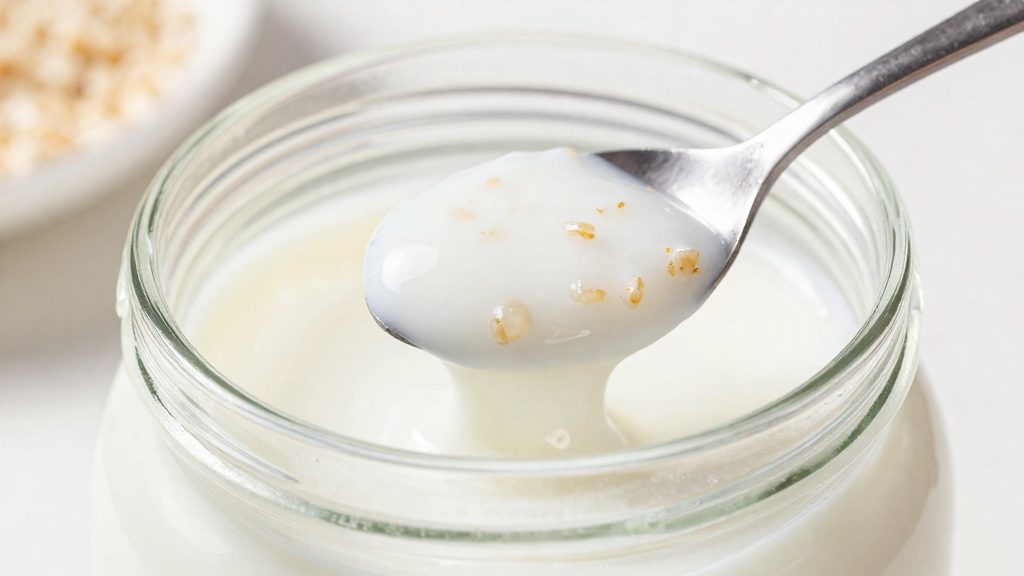
How do I fix slimy kefir?
The right fix depends on the culture type and on what changed in your routine. Milk kefir that is only slightly thicker than usual is usually handled with gentle washing alone. Water kefir grains that are slimy and smell off need changes to the sugar, temperature and transfer schedule.
| Culture type | Typical situation | First corrective action |
|---|---|---|
| Milk kefir | Texture change tied to milk or equipment | Hot-water rinse equipment and heat-treat the milk before use. If the grains look stressed, wash them gently in lukewarm water and start a new batch |
| Water kefir | Slimy grains with a bad smell | Change the sugar, cool the ferment, shorten fermentation |
Milk kefir: ordered steps
- Hot-water rinsing of equipment. Rinse jars, lids, strainers and utensils with hot water just before use.
- Heat-treat the milk. Heat the milk, then let it cool fully, to room temperature or at most lukewarm, before adding the grains, because heat denatures the immunoglobulins. Yogurt at Home lists this as a fix for ropy or glue-like ferments. The source does not give a target temperature.
- Use minimally processed milk with a short shelf life where possible. This is a preventive step for future batches.
- Lukewarm washing of stressed grains. If the grains look thicker or stressed, rinse them gently in lukewarm water, not hot.
Do not wash the grains in hot water. Hot water is part of the equipment and milk routine above, not the grain-washing step.
Water kefir: ordered steps
- Change the sugar. Switch to a sugar with less mineral content. Honey and coconut sugar are not recommended as replacements, according to Cultures for Health and Cultured Food Life.
- Lower the temperature. Keep the grains in a cooler spot during fermentation.
- Adjust transfer frequency. Shorten the fermentation time and move the grains to fresh sugar water more often. Frequent transfers limit how long the grains sit in the same liquid.
Water kefir sources do not give exact temperatures or fermentation durations, so adjust gradually and observe the grains after each batch rather than making large jumps.
Is slimy kefir safe to drink?
The safety judgment for slimy kefir depends on whether the ferment has acidified properly.
Acidity as the safety barrier
Kefir is protected mainly by lactic acid. As the starter bacteria produce acid, the pH drops, which makes the environment less hospitable to many pathogens and spoilage organisms. Texture alone cannot confirm that a batch has acidified safely. The protection only works if acid production keeps pace with the expected fermentation. Anything that slows the starter bacteria weakens that barrier. A batch that acidifies late is the case where safety, not just texture, needs attention.
A tangy taste and normal thickening are only weak signs. If a batch smells off, looks wrong, or you are unsure it fermented normally, discard it rather than tasting it to decide.
Guidance for people with weakened immunity
Anyone who is immunocompromised should check with a healthcare professional before drinking home-fermented dairy, including batches that are slimy but otherwise tangy.
When should I throw kefir out?
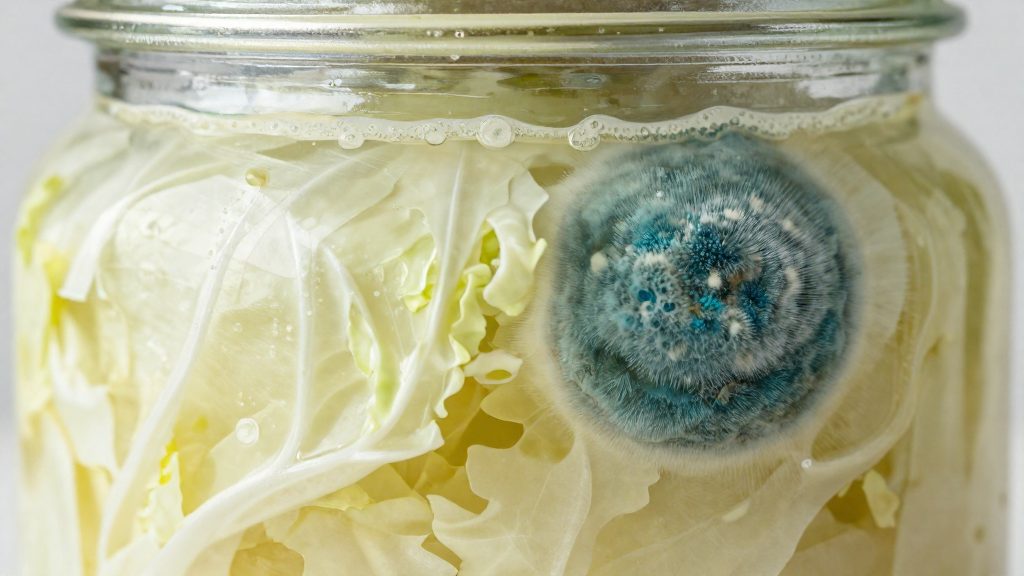
Discard kefir when you see mould, when the colour departs clearly from the batch’s usual appearance, or when it has a putrid odour. These checks are visual and olfactory, so they need no lab equipment.
Mould is an absolute discard trigger. Any fuzzy or powdery growth, whatever its colour, means the whole batch goes. Do not skim off the visible patch, because mould threads spread beneath the surface in moist dairy. Do not reuse grains or a starter that has come into contact with mould, and do not rinse them back into service.
Colour changes are the second signal. Pink, orange, rust-coloured or dark streaks are warning signs of contamination. Slight yellowing or separation of whey can occur in a healthy batch, so judge against what your kefir normally looks like.
A putrid odour that persists is the third signal. Normal kefir smells tangy, sour or yeasty. A rotten, sulphurous or faecal smell that remains after you have rinsed the grains and started a fresh batch means the culture or its environment is compromised. Do not wait for it to pass.
| Sign | What it indicates | Action |
|---|---|---|
| Fuzzy growth in any colour | Mould contamination | Discard the batch and do not reuse the grains |
| Pink, orange or dark streaks | Unwanted microbial growth | Discard the batch |
| Putrid smell (including in a fresh batch) | Compromised culture or environment | Discard the batch. If the putrid smell comes back in a fresh batch, stop using those grains. Clean the jar before restarting |
Frequently asked questions
Is slimy kefir always a sign that it has gone bad?
No. According to Fairment, milk kefir that is somewhat thicker and slimy can mean the stressed culture is adapting to new conditions, which is usually a temporary change. Check the smell and the appearance of the grains before deciding the batch is unusable.
Could the milk be causing the slime instead of the grains?
Possibly. Milk contains immunoglobulins, proteins that can make bacteria clump into a glue-like or stringy texture, according to Yogurt at Home. That source covers ropy yogurt-style ferments rather than kefir specifically, and the consulted sources do not give a target temperature for cooling heat-treated milk.
When should I throw out slimy kefir?
Discard the batch if it has a putrid odour, visible mould, or streaks of pink, orange, or rust colour, which indicate contamination. Do not taste a suspect batch to decide, because a tangy flavour does not confirm that it is safe.