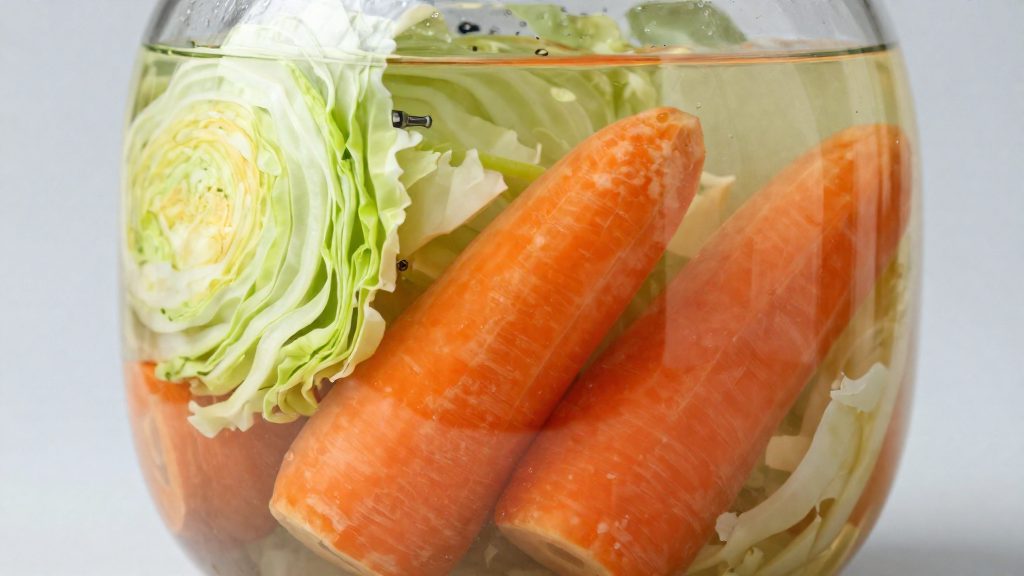
How to Avoid Botulism When Fermenting Vegetables at Home
Learn how to keep fermented vegetables safe: why pH below 4.6 matters, how botulism symptoms appear, and which steps prevent this serious illness.
Ferment at home with confidence: recipes, brines and starters.
5 articles
Fermentation Safety & Storage
Learn how to keep fermented vegetables safe: why pH below 4.6 matters, how botulism symptoms appear, and which steps prevent this serious illness.
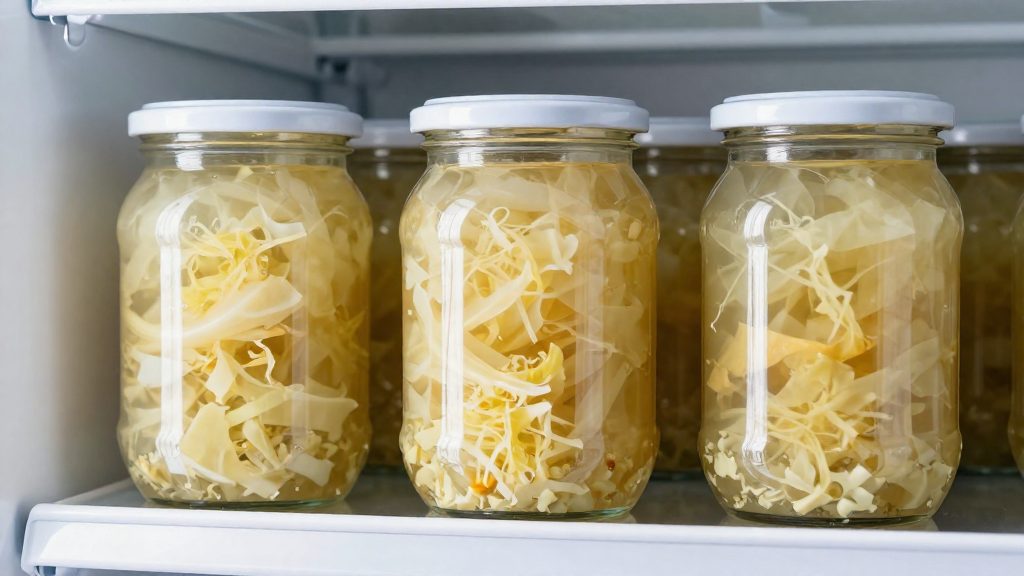
Learn how long fermented vegetables last in the fridge, why cold storage slows lacto-fermentation, and which products need refrigeration after jarring.
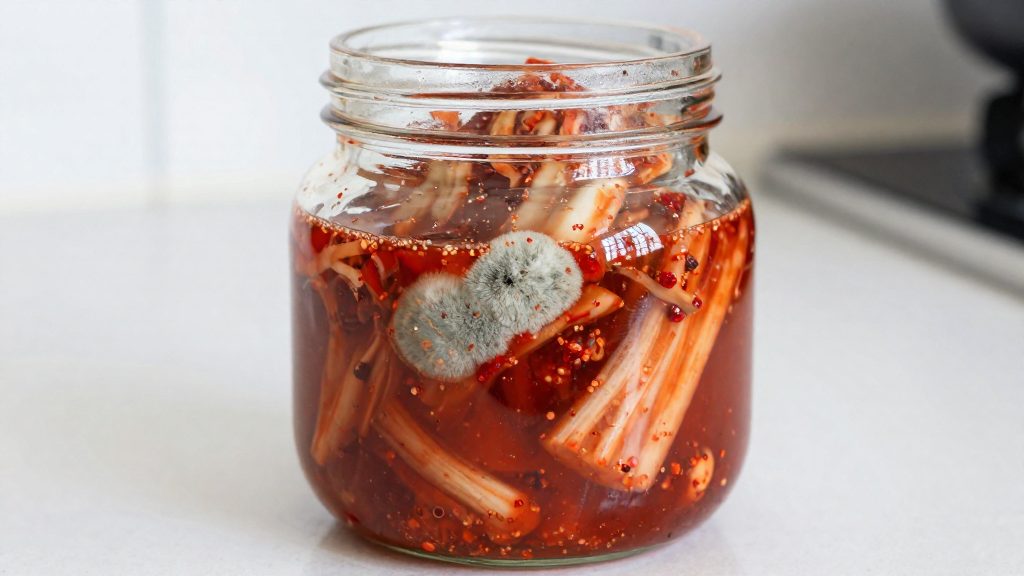
Learn how to tell if kimchi has gone bad: why fuzzy mold means discard, why cloudy brine alone is not a warning, and how a pH below 4.6 confirms safety.
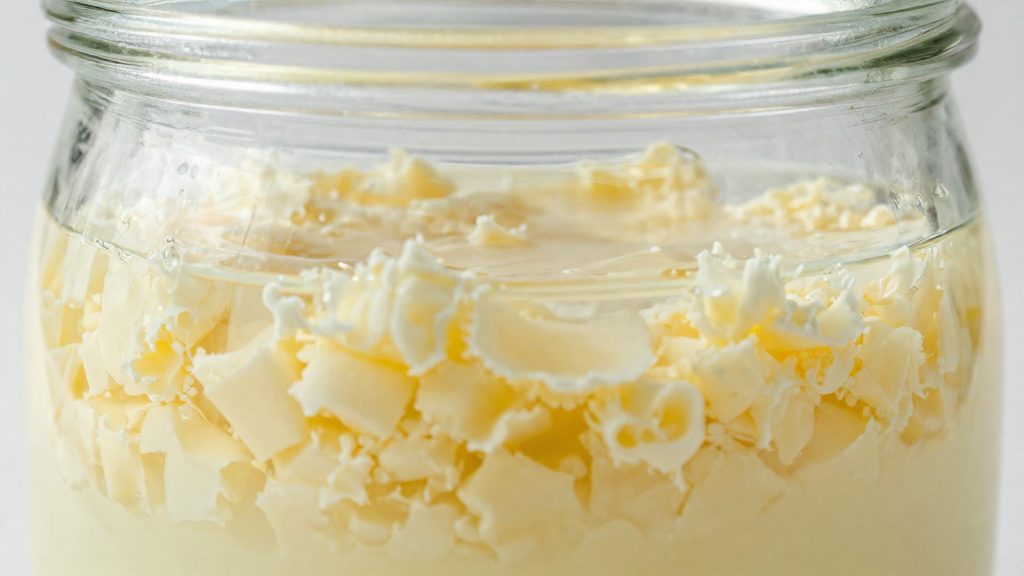
Separated kefir is usually over-cultured, not spoiled. Learn what the curds and whey mean and how to decide whether to keep or discard your batch.
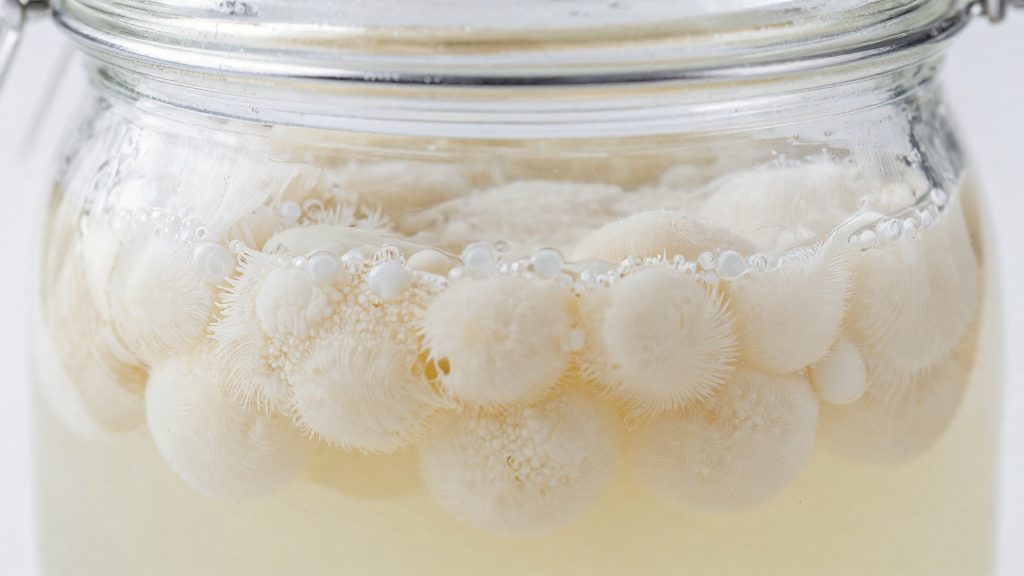
Learn how to spot kahm yeast, tell it apart from mold, and decide when a white film on your vegetable ferment is safe to keep or should be discarded.